Search Results
96 results for “post surgery care”
Why won’t my cat put weight on its front left paw?
The most common cause of a cat refusing to bear weight on a front paw is a fracture, followed by ligament or soft-tissue injuries from awkward movement. Have an X-ray taken of the limb first; a fracture usually needs internal fixation plus rehab, while soft-tissue damage calls for cage rest, limited activity, and oral anti-inflammatory pain relief.

Testicular Tumors in Dogs and Cats
Testicular tumors are among the more common tumors in older dogs and are rare in cats. They often cause feminization from excess estrogen, including attraction from other males and symmetrical hair loss. Surgical removal of the affected testicle is the standard treatment, and neutering prevents the disease.

Degenerative Arthritis in Dogs and Cats: Symptoms, Treatment, and Prevention
Degenerative arthritis (osteoarthritis) is non-suppurative wear of joint cartilage from years of uneven load, more common in older pets. It causes pain, stiffness, limited motion, and lameness that worsens with activity and cold weather. Weight control, controlled exercise, pain relief, and surgery in severe cases manage it.

Tenosynovitis in Dogs and Cats: Symptoms, Treatment, and Prevention
Tenosynovitis is inflammation of the synovial sheath around a tendon, most often in the carpal and digital flexor sheaths from overuse, friction, or injury. It causes a warm, painful, fluid-filled swelling and lameness that can progress to cellulitis or sepsis if untreated. Treatment mirrors tendonitis, with drainage for acute fluid build-up.

Elbow Hygroma in Dogs and Cats: Symptoms, Treatment, and Prevention
An elbow hygroma is a fluid-filled swelling of the bursa over the elbow, caused by repeated pressure and friction on hard surfaces. It starts as a soft, warm lump and can thicken or, if it breaks, drain blood-tinged fluid and become infected. Early cases are managed with rest and cold packs; large or complicated ones need surgery.

Canine and Feline Caval Syndrome (Heartworm): Symptoms, Treatment, and Prevention
Caval syndrome is the acute, life-threatening form of heartworm disease in which adult worms suddenly obstruct the vena cava and heart, causing sudden collapse, bloody urine, and jaundice. Emergency surgical removal of the worms is the definitive treatment, and prevention depends on year-round parasite control.
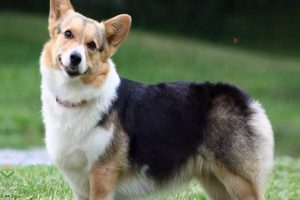
Persistent Right Aortic Arch in Dogs
Persistent right aortic arch is a congenital blood-vessel defect in which an embryonic arch presses on the esophagus and blocks passage of solid food. Affected puppies are hungry but regurgitate after eating. Early surgery relieves the obstruction.

Patent Ductus Arteriosus in Dogs
Patent ductus arteriosus is a congenital vessel that stays open after birth, letting blood short-circuit in the heart. It is common in several dog breeds and can cause poor growth, fluid buildup, and breathlessness. Surgical ligation is the definitive cure.

Gastric Foreign Body in Dogs and Cats: Symptoms, Treatment, and Prevention
A gastric foreign body is an indigestible object lodged in the stomach of a dog or cat, causing vomiting, pain, and weight loss. It is removed by a veterinarian, sometimes surgically, with antibiotics to prevent infection.

Actinomycosis in Dogs and Cats: Symptoms, Treatment, and Prevention
Actinomycosis is a chronic suppurative granulomatous disease caused by Actinomyces. Lesions favor the face, neck, chest, and abdomen, spreading to surrounding tissue to form fistulas that drain pus containing sulfur granules. High-dose, long-course penicillin works for most cases; surgery to drain abscesses and remove fistulas is also needed. It is not contagious.