Search Results
96 results for “post surgery care”
Does a dog know it has been neutered?
Dogs do not understand neutering and are not aware of the procedure. They only feel post-surgical pain, so comfort and stay with them, and watch for wound infection. Females need IV antibiotics, males subcutaneous injections, plus careful wound care.

Spaying a Female Cat: Pros and Cons
Spaying removes a female cat's uterus and ovaries, preventing heat cycles and pregnancy while protecting against pyometra, uterine cancer, ovarian cysts, and mammary tumors. The trade-offs are surgical risks, possible post-op infection, slower metabolism and weight gain, and occasional behavior changes, so weigh your cat's health and your own situation before deciding.
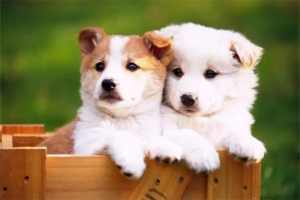
Causes and Treatment of Eyelid Entropion in Dogs
Eyelid entropion is a common eye problem in dogs, often caused by genetics and eye disease. The right treatment depends on how severe it is, and with proper care it can be controlled and managed. Mild cases are usually treated with medication, while severe entropion needs timely surgery. Keeping the eyes clean helps reduce the chance of entropion developing.
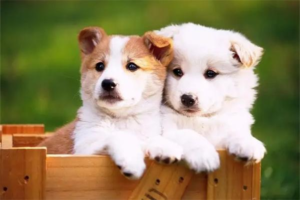
Symptoms and Treatment of Intussusception in Dogs
Intussusception in dogs shows up in many ways, including loss of appetite, vomiting, abdominal pain, and diarrhea. Without timely treatment, the symptoms worsen as the condition progresses. Severe cases may bring intense abdominal pain, frequent vomiting, a swollen belly, abnormal posture, and intra-abdominal bacterial infection. Mild intussusception can often be corrected with air-enema reduction, while serious cases require surgery. This article details how to recognize the signs, the treatment options available, and the preventive steps that lower the risk of this serious digestive emergency.
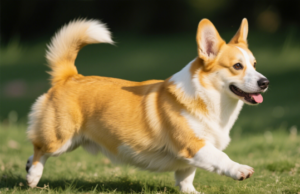
Are Corgis Prone to Patellar Luxation?
Corgis are indeed a high-risk breed for patellar luxation. Data from the Orthopedic Foundation for Animals (OFA) puts corgis in the top three among small breeds, with about 20%–30% developing some degree of the condition. The cause is twofold: a genetic mutation that leaves the trochlear groove too shallow to hold the kneecap, and a short-leg bone structure that angles the femur and tibia inward by 15°–20° more than usual, pushing the patella out of place. The problem is graded I–IV, from occasional skip-hopping to permanent dislocation. Mild cases are managed with joint supplements and limited exercise, while grades III–IV usually need surgery. Keeping the dog at a healthy weight and avoiding stairs and jumping are the best prevention.
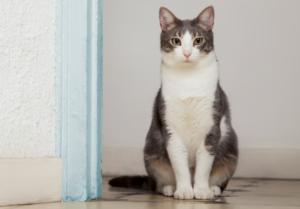
Pet CoQ10 Supplements Reviewed: Picking One That Genuinely Supports Heart Health
CoQ10 is a popular supplement for pets with heart conditions, but it supports heart function rather than curing disease. It helps the heart muscle generate energy, mildly slows heart failure, and supports immunity and vitality. Yet the market is full of weak or mislabeled products—industry figures suggest most pet CoQ10 labels either understate or omit the actual content, and some use industrial-grade raw materials. When choosing a supplement, look for verified CoQ10 content (ideally backed by independent testing), natural fermentation sources, and a clean antioxidant formula, matched to your pet's age, breed risk, and symptoms. Used alongside veterinary treatment, a quality CoQ10 can be a valuable part of heart care.

What to Know Before and After Spaying or Neutering Your Pet
Spay and neuter surgery is routine but still deserves careful preparation. Picking a trusted clinic, fasting beforehand, and running pre-op tests keep anesthesia safe, while post-op care around wounds, food, and an Elizabethan collar protects a smooth recovery. This guide walks owners through the whole journey, from booking to stitch removal.
Spaying and Neutering for a Longer Bond
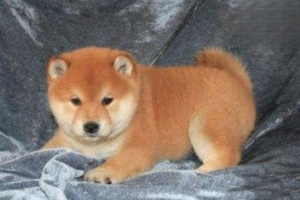
Neutering does more good than harm: it lengthens life by slowing organ aging, cuts cancer risk, and reduces roaming, howling, and fighting. Prepare with fasting and the right timing (after first heat, not during), and care post-op with rest, warmth, wound cleaning, and an E-collar. Males are best done at 7-8 months, females after their first cycle.
What Is Chondroitin for Dogs, and Who Needs It?
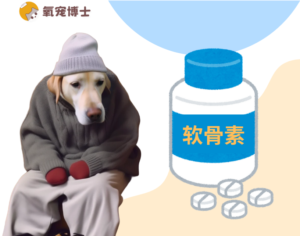
Chondroitin, or chondroitin sulfate, is a natural compound in cartilage that feeds joint cells, locks in joint fluid, and calms inflammation. Healthy young dogs get enough from food, but seniors, large breeds, dogs with joint-prone genetics, the obese, and hard-working dogs benefit from supplements—ideally paired with glucosamine and omega-3. It supports, not replaces, veterinary care for real joint pain.

Is Inhalation Anesthesia Safe for Dogs?
Dogs are usually anesthetized by inhalation or injection, and inhalation anesthesia is generally the safer choice because it places less burden on the organs. It costs more, though, and its effect is shorter, so it is less suited to very long surgeries where the dog might wake and struggle. Any anesthesia carries risk because it depresses heart, lung, liver, and kidney function, so the method should match the dog's pre-operative readings and health. Dogs with metabolic or liver and kidney issues are often better with inhalation. Watch for post-anesthetic reactions like acute kidney failure, irregular heartbeat, temperature swings, and airway blockage in flat-faced breeds.