Search Results
431 results for “poor water quality”
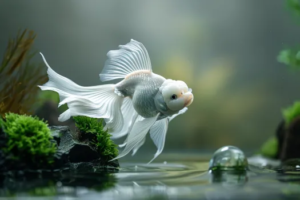
Why Do Arowana Develop Enteritis?
Every arowana keeper wants a healthy, beautiful fish, but beginners lack basics and may care poorly, letting disease occur; enteritis is common. Treat promptly once found. To treat, first know the cause. Our veterinarian details common causes of arowana enteritis.

How to Treat Arowana Enteritis?
There are many causes of arowana enteritis, and treatment differs by cause. To treat well, first determine the cause, then treat accordingly. Our veterinarian details common causes and treatments, hoping to help.

Favorable Conditions for Arowana Coloration
Good arowana color rests on five pillars: a pure bloodline, stable and clean water, a dark yet well-lit tank with combined top and side lighting, varied and nutritious feeding, and a balance of slow and fast growth. Patience is essential, because coloration is a long, gradual process.

Common Arowana Eye Problems
An arowana's eyes reveal its health. Know the three common issues - drop-eye, popeye, and cloudy eye - and how lighting and water quality cause and fix them.
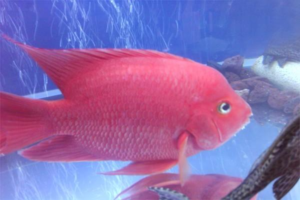
What to Do When Parrot Fish Grow White Fuzz
White fuzz on parrot fish comes from poor or unstable water, temperature swings, or saprolegniasis (fungus). Fix water quality, raise temperature to 30 C then settle at 25-28 C, or salt-bath / potassium permanganate the isolated fish for about a week.

Common Questions About Turtle Colds
Turtle colds are treated early with antivirals, vitamins and rest; mild cases can self-heal but severe ones need medication. Symptoms include weeping eyes, runny nose, bubbles at the nose and lethargy, and may become pneumonia with open-mouth breathing. Prevent by good water quality, stable temperature and isolation.

Prevention and Treatment of Colds in Turtles
A turtle cold can progress to pneumonia, which is far more dangerous, so treat it promptly and watch for pneumonia signs. Isolate the sick turtle, keep the enclosure at about 30°C, and use antibiotic baths (e.g., cephalexin) or amoxicillin by weight; prevention focuses on good water quality and strong immunity.

Symptoms, Prevention, and Treatment of Turtle Enteritis
Turtle enteritis is best prevented—clean enclosures, good water quality, and sensible feeding greatly lower the outbreak rate. Early signs are lethargy, poor appetite, and misshapen or discolored stools; advanced cases show sunken eyes and dry skin. Control relies on sanitation, water quality, proper feeding, isolation, and herbal or berberine injections.

Canadian Hairless
The Canadian Hairless, also called the Sphynx, is an extremely rare hairless genetic variant that appeared during the breeding of American or European domestic cats. Although it shares the skin pigment of domestic cats, its skin bears only a few hairs. With a wedge-shaped body, large ears, and a bulky frame, its head looks like Yoda's. The whole look makes it seem not cute but rather frightening compared with domestic cats.

Persian
The Persian cat, also called Persian, Chinchilla, or Himalayan, with the Latin name Persian, represents nobility in people's minds. In China, most people's first pet cat was a Persian. However, most kept Persians are not purebred but non-purebred bred by merchants to meet the market; purebred Persians cost over a thousand dollars. Originating in Persia (Iran), it was developed in Britain over more than 100 years from Afghan longhair and Angora cats.