Search Results
338 results for “play therapy”

Canine Infectious Tracheobronchitis (Kennel Cough): Symptoms and Treatment
Canine infectious tracheobronchitis - commonly called kennel cough - is a contagious respiratory inflammation that causes a sudden, harsh cough, sometimes with sputum, and often watery eye discharge. Most dogs recover in 3 to 7 days, though some develop secondary infections.

Canine Viral Papillomas (Warts): Symptoms and Treatment
Canine viral papillomatosis is a contagious wart-like growth caused by the canine oral papillomavirus, appearing in the mouth or on the skin. Most cases resolve on their own within weeks to months, but large oral tumors can interfere with eating and may need surgical removal.

Canine Herpesvirus Infection (CHV): Symptoms and Care
Canine herpesvirus is a highly contagious virus in dogs that is often fatal in puppies under 21 days old, while older dogs usually show only mild upper-respiratory signs. It can also cause infertility, abortion, and stillbirth in breeding dogs and genital lesions in males.

Choosing a Quality CoQ10 Supplement for Pets
Coenzyme Q10 is a nutritional supplement that supports heart-muscle energy and reduces oxidative stress, but it is not a substitute for prescribed heart medication. When selecting one, look for independently verified CoQ10 content and a clean, naturally fermented source.
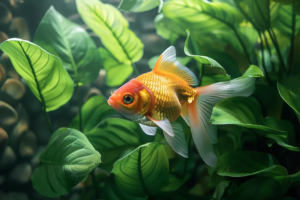
Why Does an Arowana’s Gill Flip Out?
Arowana gill eversion (flip-gill) is caused by poor feeding/husbandry, cramped space, temperature swings, or a wrongly placed water pump—all lowering oxygen or irritating the gills. Treat early with gradual water improvement and aeration; mid-stage add current therapy; once the soft tissue hardens, only surgery fixes it.

Decoding the Causes of Arowana Gill Eversion
Severe gill eversion can kill an arowana, but it develops gradually—treat it early and you avoid the worst. Causes are poor feeding/husbandry, cramped space, unstable temperature, and a misused water pump. Treat early with water changes and aeration; mid-stage add current therapy (about 50% success); late stage needs surgery.

Why Do Arowanas Get Gill Eversion and How to Treat It?
Gill eversion is common and hard to control because many causes overlap: foul water, overcrowding, temperature swings, and a misplaced water pump. Early: improve water and add oxygen. Mid: add current therapy (about 50% success). Late (hardened tissue): only surgery. Mild cases refuse food or surface; severe ones suffocate from infection.

Feline Infectious Respiratory Diseases: Causes, Treatment, and Prevention
Lethargy, loss of appetite, sneezing, and persistent runny nose in cats often signal an upper respiratory infection, a highly contagious disease that is especially dangerous for kittens.

What to Do When Your Dog Has an Upset Stomach or Diarrhea
Have you seen a dog eat grass and vomit? Eating grass signals stomach upset; check temperature. Normal dog temperature is 37.2 to 38.3 C. Do not self-treat, especially with human medicine - it may harm more.
Cat Trauma: Diagnosis and Treatment
A car accident or trauma refers to injuries a cat suffers when struck by a moving vehicle such as a car, truck, train, or motorcycle. In addition, when a cat suffers human abuse, falls from a height, or is attacked by another animal, it can also lead to external trauma in the cat. The effects of trauma range from mild to life-threatening, and any body system can be affected.