Search Results
17 results for “pinecone disease”
Treating Pinecone Disease (Dropsy) in Blood Parrot Cichlids
Pinecone disease, or dropsy, is a highly contagious bacterial illness in blood parrot cichlids with under a 50% cure rate and often fatal within days. Isolate the sick fish at once and treat with salt-and-baking-soda or antibiotic baths, adding medicated food for severe cases, while keeping water clean and temperature stable to prevent it.
Why Do Arowana Scales Raise (Pinecone Disease), and How to Treat It
Arowana scale-raising has three causes—handling-related, parasitic, and bacterial—each needing different treatment. Find the real cause and treat accordingly. This article covers the common causes and treatments.
Symptoms and Treatment of Arowana Pinecone Disease
Arowana pinecone disease (raised scales), also called 'arowana cold,' is often triggered by large temperature swings during seasonal changes. Early signs are darkening, rough skin, and scales protruding outward; severe cases show swollen scale sacs with bloody fluid and ascites. Treatment starts with raising the temperature 1–2°C, adding salt (0.6–1%), and partial water changes; medication is added if no improvement.
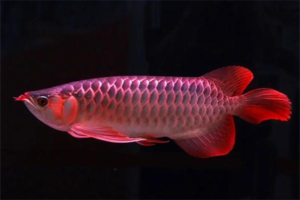
Why Arowana Get Pinecone Disease (Raised Scales) and How to Treat It
Pinecone disease (also called raised or loose scales) is common in arowana. It can be triggered by large temperature swings, poor water quality, or internal infections such as enteritis and ascites. Mild cases often respond to the 'old three methods' — raise temperature, add salt, and partial water changes — while severe cases need antibiotics.
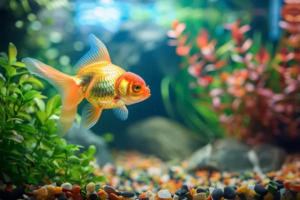
Why do goldfish get pinecone (raised-scale) disease?
Raised-scale disease is mainly from poor water or fungus; keep good, stable water and use potassium permanganate baths when severe, changing a quarter of the water every other day. See a vet if no better.

Common Goldfish Diseases and Their Prevention
Common goldfish diseases include white spot (ich), cloudy eye, saprolegniasis, enteritis, fin/tail rot, and dropsy (pinecone disease). Learn these to prevent and lower illness risk. Water quality is the main health factor—keep it clean with regular changes and cleared waste to avoid bacterial growth and infection. Keep temperature steady and oxygen sufficient.

Why Are Blood Parrot Cichlids Prone to White Spot Disease?
Blood parrot cichlids mainly get white spot disease (ich) from Ichthyophthirius parasitism, with large temperature swings the top trigger. Failing to hold stable temperatures, or big gaps between new and old water when changing water, easily causes outbreaks. Beyond ich, gill rot, red-skin disease, and dropsy are also common — take preventive measures to reduce illness and deaths.
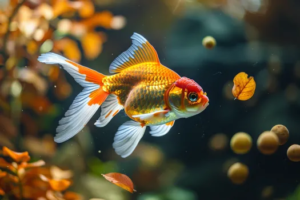
4 Common Goldfish Diseases and How to Treat Them
Goldfish commonly face white spot disease, pinecone (dropsy) disease, print disease, and hemorrhagic disease. Lower the risk with good, stable water quality, steady temperature, and avoiding stress and physical injury. Keep water clean with regular changes and enough oxygen, and adjust temperature with the weather. Healthy water is the foundation of goldfish health.
Why is my goldfish losing scales?
Scale loss from poor water, fighting, sharp-object scrapes, or disease. Poor water → large-scale loss; change water, improve quality. Overcrowding or breeding season → fights → scale loss. Sharp rocks/hard objects scrape the body. Also diseases like pinecone disease (dropsy) cause scale loss.
Why do goldfish’s scales flare open in summer?
Flared scales may be from seasonal temperature swings or, if persistent, dropsy (pinecone disease) from poor water and virus. Change water, raise temperature, and add salt early on.