Search Results
78 results for “picky cat”

Common Bad Habits in Cats and How to Fix Them
Common cat bad habits include biting, picky eating, and disturbing the owner's sleep. Many of these habits form because of the owner's own behavior — playing with hands or giving snacks without limit. Learning the right way to raise a cat is the best way to prevent them.

8 Signs Your Cat Is Happy and Well Cared For
A well-cared-for cat shows it in clear ways: wild, relaxed sleep poses (even belly-up) in any corner of the home; actively rubbing against your legs and curling up in your lap; daily playfulness and curiosity about new toys; a tail held high like a flag while walking; steady appetite without pickiness and regular drinking; a coat that is soft, glossy, and free of grease or dandruff; a consistent daily routine; and a stable weight in the healthy range. You don't need perfection — meeting two or three of these already means your care is on point. Beyond that, keep up vaccines, deworming, and a clean environment.
What are the common house cat breeds?
Popular house cats include British Shorthair, American Shorthair, Ragdoll, Persian, and domestic orange tabbies, among many others.
How to Stop Your Cat from Peeing on the Bed
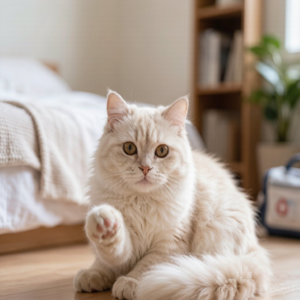
Finding a yellow wet spot on the bed is every cat owner's nightmare. Before anything else, rule out disease: feline lower urinary tract disease (FLUTD) makes urination painful, so cats link the box with discomfort and seek softer spots like the bed. If peeing comes with straining, blood, or constant licking, see a vet. Non-medical causes are a disliked litter box (bad location, poor hygiene, wrong litter, too few boxes in multi-cat homes) and stress or anxiety. Fixes: upgrade the box, scoop twice daily, follow the n+1 rule, ease anxiety with play and pheromone spray, and remove the urine scent with an enzymatic cleaner plus detergent. Most cats return to normal in 2-3 weeks.
Why does my cat eat less despite seeming normal?
Often estrus (reduced appetite is normal then); or it dislikes/craves the current food. Test with favorite treats; if it eats those, it's just being picky - vary the diet and limit snacks.

Cat Food Ingredients to Avoid, No Matter How Cheap
Not all cat food is created equal, and the ingredient list is the single most reliable way to judge quality. Some products hide preservatives, flavor enhancers, and fillers that can harm your cat over time — from potential carcinogens like BHA, BHT, ethoxyquin, and TBHQ to appetite stimulants such as MSG and pyrophosphate. Other risky additives include propylene glycol, nitrites, synthetic vitamin K3, and thickening gums, while artificial colors and sweeteners add sugar and nothing of value. Because cats are obligate carnivores, diets overloaded with corn, wheat, or soy not only lack nutrition but may trigger allergies and even aflatoxin exposure. Learning to read the label helps you protect your cat from low-grade food, no matter how attractive the price.
What New Cat Owners Should Know
Bringing a cat home is joy and responsibility, so prepare mentally as well as materially. Night activity, shedding, scratches, and curiosity are all part of cat life. This guide covers the realistic expectations, the gear to buy, and the steps after adoption: quarantine windows, vaccines, warmth, and the right time to neuter.
Key Points Not to Ignore When Feeding Cats
Feeding a cat well means more than good food. Not all cats digest milk, so skip it. Cats are picky and bored by the same kibble, so change diet slowly over days. Tempt a refusenik with freeze-dried treats, but don't overdo it. Offer complete balanced food, wash bowls, and for kittens add a little meat weekly and soften kibble with warm water.
Choosing a Cat Food Your Cat Will Love
With countless foods on the shelf, meet both quality and your cat's tastes. Cats can't make their own amino acids, so fish-rich food supports vision and hunting; a freeze-dried recipe built on high-quality fish and chicken with digestible milk powder boosts immunity and coat, plus vitamin A, E, and taurine for bright eyes. Pick a balanced, scientific formula.
Recipe: Chicken Paste for Cats
Chicken paste is one of the easiest homemade cat foods to make, and its soft texture makes it ideal for kittens, older cats, or any cat that needs extra hydration. Poach a chicken breast in water for about five minutes, then blend the meat and broth together for a minute or two until smooth. The result is a gentle, high-protein meal you can serve on its own or stir into a cat's regular food.