Search Results
201 results for “pick a kitten”

Symptoms and Prevention of Pet Hypoglycemia
Pet hypoglycemia ranges from mild (weakness, drowsiness) through moderate (anxiety, tremors, confusion) to severe (numbness, coma, life-threatening). Because the signs aren't unique, a first episode warrants a vet check. Prevention means regular monitoring, warmth and deworming, set meal times, and careful use of any medications.
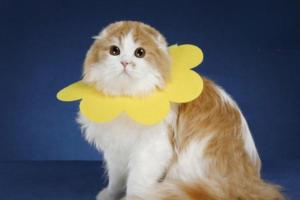
Are Cats Cold- or Heat-Sensitive, and What Temperature Suits Them?
Most cats are cold-sensitive because their coat insulates poorly, though a few breeds are the opposite. Learn the ideal range and how to keep a cat warm.

How to Support a Cat with a Sensitive Stomach
Some cats have notoriously delicate digestions—the so-called glass stomach—prone to soft stools, diarrhea, and vomiting. The key to managing it is diet. Choose a limited-ingredient, single-protein hypoallergenic food, feed small meals several times a day, and always transition new food over seven days. Pet-specific probiotics (mixed into water below 40°C so the live cultures survive) help rebalance gut flora, while a calm, low-stress home prevents flare-ups. If symptoms persist or worsen, a vet check and possibly a prescription gastrointestinal diet are the right next steps.

How to Set Up and Place a Cat Litter Box Correctly
Wrong litter-box setup leads to out-of-box urination. Give one box per cat, place it quiet and safe (not near food), keep it stable, match the cat's preference for open, large boxes, and add boxes on each floor for big homes.
How can I make my cat gain weight?
Pick high-quality balanced food, feed by age/weight in small frequent meals, and add fish, chicken, eggs, dairy for protein. If underweight, rule out gut disease, endocrine issues, or parasites at a vet.

Cymric
The Cymric, English name Cymric, is also called the Longhaired Manx or Longhaired Isle of Man cat. From its alias we know it is a longhaired cat; though long-haired, it's not hard to groom. Its most striking feature is having no tail, drawing immediate attention.

Chartreux
The Chartreux, also called the Chartreux Blue Cat, has the English name Chartreux. Native to France, its history dates to the 14th century. Together with the British Shorthair Blue and the Russian Blue, it is one of the world's three great blue cats. The Chartreux has a long history, recorded in publications as early as 1558.

Cornish Rex
The Cornish Rex, English name Cornish Rex, originates from England. Its ancestor is a non-purebred shorthair, dating to 1950, with a childlike, mischievous personality. The breeder mated the first kitten, Kallibunker, with its mother, producing more cats. This is the origin of the Cornish Rex breed.

Burmilla
The Burmilla, also called the Pommila cat, has the Latin name Burmilla. This breed was born in Britain in 1981 and successfully exhibited two years later, immediately drawing wide attention. In fact, the Burmilla's birth came from a beautiful union, an 'out-of-wedlock' kitten between a lilac Burmese and a silver Chinchilla Longhair.

Siamese
The Siamese cat, also called the Thai cat, with English name Siamese, traces its origins to Thailand in the 14th century from non-purebred Asian cats. Once living in royal palaces and temples, it was later given as a diplomatic gift to other countries. Famous for its striking color points, blue almond eyes, and vocal, affectionate personality, the Siamese is a beloved and distinctive breed.