Search Results
1913 results for “pica”

Why Is My Cat Crying Reddish-Brown Tears?
Reddish-brown tear discharge in cats can be caused by overly salty food, a blocked nasolacrimal duct, or eye inflammation. Determine the specific cause from the actual situation and treat accordingly. If the cat recently ate salty food, it may be 'internal heat' causing more discharge that oxidizes to reddish-brown—adjust to a bland diet and offer more water. If the eyes are also red and swollen, inflammation is likely; see a vet.

Common Diseases of Ornamental Fish
Scale loss, fin rot, fin congestion, saprolegniasis (cotton fungus), and cloudy eye are common ornamental fish diseases. Even careful keepers can't fully prevent them, so observe fish daily for early signs. Most sick fish show reduced appetite and activity; act on these promptly. Keep water clean, since fouled water easily causes illness.
How to Improve the Survival Rate of Ornamental Fish
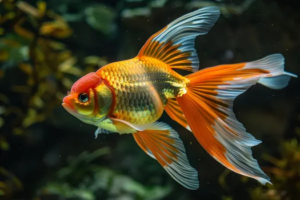
To raise survival, fishkeepers should feed reasonably, change water regularly, clean filter media, keep temperature suitable, and control stocking density. Match diet to the species, control amount and frequency; regular water changes and filter cleaning keep water quality. Keep temperature right and density appropriate for tank size. Before mixing species, learn which coexist to avoid losses.

What to Do When a Dog’s Seizures Become More Frequent
When seizures grow frequent, see a vet to find the cause and a medication plan; tests like blood work or EEG may be used. Anti-seizure drugs such as diazepam or phenobarbital control episodes—give them on schedule, never change dose or stop on your own. Watch diet, sleep, and exercise for triggers, and avoid highly stressful or excited environments.

Which Fish Are Suitable Tank Mates for Goldfish?
Goldfish are gentle and adapt well, suiting schooling and dense keeping with small, weak-competing fish like guppy, tetra, moonfish, angelfish, and blood parrot. Avoid large or strong feeders that outcompete the clumsy goldfish, or it may starve. Ensure space, oxygen, and stable warm temperature for tropical mates.

Why Is a Goldfish’s Whole Body Congested (Red)?
Whole-body congestion comes from poor water, big temperature swings, hemorrhagic disease, or too many harmful substances. Change water and keep it good, stabilize temperature, treat hemorrhagic disease with parasite removal and potassium permanganate/malachite green baths, and add coarse salt to prevent infection.
Why Is Your Goldfish Sitting at the Bottom of the Tank?
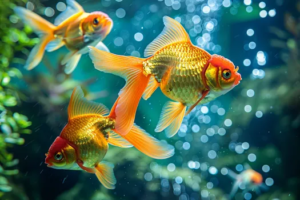
Goldfish sit at the bottom for many reasons — resting, stress from a new environment, low temperature, sudden water changes, or illness. If the fish perks up when the light brightens, it is just resting and needs no action. If poor water quality is the cause, change the water promptly; if it is sickness, treat the specific disease. Regular water care and stable temperatures prevent most cases.

Feline Urethral Obstruction: Causes, Symptoms, Treatment, and Prevention
Urethral obstruction mostly affects male cats aged 1-6. Causes include urinary stones, crystals, inflammation, and muscle spasms; signs are frequent urging, straining, reduced output, and blood-tinged urine. Left untreated it can lead to uremia, kidney failure, and bladder rupture — life-threatening. If obstruction is suspected, take the cat to a vet immediately for catheterization, then diagnose the underlying cause and treat it. Prevention focuses on hydration, diet, and stress reduction.

How Long Do Goldfish Live?
Goldfish typically live 6-7 years, but home-kept fish often reach only 3-4. Lifespan depends on environment and feeding; well cared for, a goldfish can live over 10 years. To extend life, choose a healthy fish, provide good water quality and stable temperature, feed a balanced diet, and watch for illness daily.

What Are the Symptoms of Low Blood Sugar (Hypoglycemia) in Cats?
Symptoms of feline hypoglycemia include seizures, weak or limp limbs, lethargy, slowed responses, and pale gums. It is confirmed with a blood chemistry test, and treatment must address the underlying cause. This article details the causes and treatment of low blood sugar in cats.