Search Results
1913 results for “pica”

How to Correct Your Dog’s Habit of Eating Too Fast
Eating too quickly is an unhealthy behavior in dogs and can lead to serious digestive conditions such as gastric dilation and bloat (gastric torsion). This guide explains why dogs bolt their food and offers practical training methods—slow-feeder bowls, smaller and more frequent meals, and food enrichment—to help them slow down.

Do Dogs Have a Rebellious Phase?
Yes—dogs go through a rebellious phase, usually between 6 and 12 months of age. Typical behaviors include acting up, ignoring commands, accidents in the house, boundless energy, aggression, refusing training, and sneaking off. Hormones surge much like human adolescence, and environmental or social changes add to the defiance. The right response is patience and positive guidance, not harsh punishment: give love and understanding, step up training and socialization, keep a stable routine, and seek a professional trainer if needed. With consistency, your dog will grow through this stage.
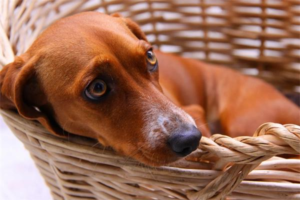
What to Do If Your Dog Is Not Affectionate?
Some breeds are naturally independent (Border Collie, German Shepherd); choose clingy breeds like Labrador or Golden Retriever if you want closeness. Build attachment with love, companionship, gentle training, and interactive play such as tug, fetch, or walks.
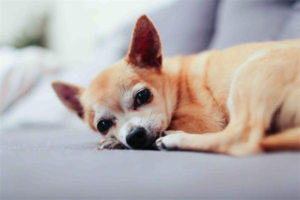
Dog Nasal Congestion: Symptoms and Causes
Dog congestion shows as troubled breathing, low energy, watery eyes, poor appetite, and a changed voice; colds add coughing, sneezing, and fever. Causes include viral infection, bronchitis/rhinitis, or blockage (tumor, sand). Check the nose, rinse with 3% boric acid per vet advice, and see a vet if it persists.

Samoyed vs. Japanese Spitz: Key Differences
Samoyeds are larger (20–30 kg, 48–60 cm) with sturdy bone and a square, upturned 'smiling' muzzle, while Japanese Spitz are smaller (6.4–12 kg, 36–38 cm) with finer bone, a pointier muzzle, rounder eyes, and purer-white, harder coat. Compare size, coat, muzzle, eyes, face, expression, and temperament.

Precautions for Keeping Cleaner Fish in a Community Tank
Cleaner fish help control algae and keep a tank healthy, but each species has different habits. The black-line flying fox only cleans when hungry, clown loaches may nip slow tankmates, and black mollies and kissers are peaceful. Match species to your tank size, keep water around 28°C, and do not overfeed — a well-fed cleaner fish stops working.

What Do Cleaner Fish Do?
Cleaner fish are the 'doctors' of the aquarium: they graze leftovers and algae to keep water clean, and some even nip dead tissue and pathogens off sick tankmates. Most are small, gentle tropical fish that need stable warm water and must not be overfed if you want them to keep working.

Why a Cat’s Breath Smells During Teething
Bad breath during a cat's teething phase usually comes from irritated, bleeding gums, trapped food debris, oral infection, or digestive upset. Check the mouth often, keep it clean with brushing or pet dental products, and feed dry kibble to reduce tartar. If the odor is severe or comes with sneezing, vomiting, or lethargy, see a vet — though it typically clears once adult teeth settle.
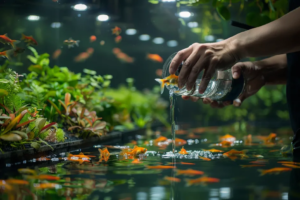
What Are the Most Common Cleaner Fish?
Cleaner fish do more than tidy the tank — species like the green algae eater, black-line flying fox, otocinclus, corydoras, black molly, and kisser fish each graze algae and leftovers in their own way. Match the species to your tank size and water, and don't overfeed, or a full cleaner fish simply stops working.

What Types of Cleaner Fish Are There?
Cleaner fish are aquarium species that help keep the tank clean. Many fish fill this role—including the three-stripe corydoras, black-line flying fox, black molly, flying fox fish, gold sailfin pleco, eartheater cichlids, kissing gourami, rope fish, and plecostomus—consuming algae, devouring the biofilm and oil film on tank walls, and clearing leftover food from the bottom. Keeping them appropriately can effectively reduce water pollution. Because cleaner fish vary greatly in size, it is best to pair smaller cleaners with smaller fish and larger cleaners with larger fish.