Search Results
1916 results for “pica”
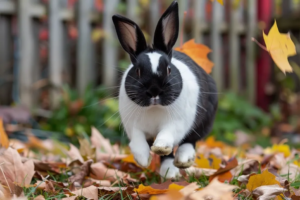
Why Did My Rabbit’s Ears Suddenly Flop?
A rabbit suddenly developing 'airplane ears' can come from mixed breeding, disease, or injury. If the ears just flop with no discharge, odor, or trauma, it is likely genetics, since a non-pure upright bloodline droops over time; this is harmless. But if flopping comes with more ear wax, a foul smell, or head shaking, ear mites are likely; isolate the rabbit, disinfect the space, and treat. Rough handling that pulls the ears can also cause it, so learn to hold a rabbit correctly to avoid injury.

Why Do Dogs Get Intestinal Obstruction?
The most common cause of dog intestinal obstruction is swallowing a foreign object the gut cannot pass, with constipation from dry, hard stool as another frequent trigger. Lack of trace elements can cause pica that leads to eating odd things, and fast or large meals also play a role. Signs are frequent vomiting, early diarrhea that stops once the bowel empties, bad breath from gut fermentation, and abdominal pain with the dog biting or staring at its belly. Ultrasound or X-ray shows the blockage, though string may need a barium study. Treat early to avoid worse damage.

Enrofloxacin for Pets: What It Treats and Key Safety Notes
Enrofloxacin is a third-generation fluoroquinolone antibiotic made for animals. It works by blocking a bacterial enzyme needed for DNA replication, and it is commonly used for urinary, reproductive, digestive, and skin or soft-tissue infections in dogs and cats. It is prescription-only: typical oral dosing is 5–10 mg/kg per day, and several groups should never receive it. Always follow your veterinarian's plan.
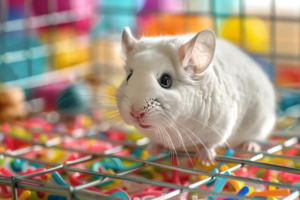
Can Hamsters Get Diabetes?
Hamsters can and do get diabetes, and it is not rare. Like in people, the direct cause is too little insulin, and obese hamsters and dwarf breeds are most at risk. Signs are overeating, heavy drinking, more urine with a strong smell, weight swings, tiredness, mood swings, and in severe cases unsteady walking or coma. Diabetes cannot be cured, so strict sugar control with high-protein, high-fiber, low-fat, low-sugar food is vital; dwarf hamsters should avoid all sweets. Keep them active to prevent obesity.
Can rabbits get fleas?
Possible though rare (they self-groom). Use topical flea control if found; also watch for mange (itching, redness, hair loss).

Is Yellow Dog Urine Always a Sign of Internal Heat?
Yellow urine in dogs is not always from internal heat; it can also mean low water intake, liver trouble, or urinary tract issues, so judge by the actual cause. If it is simple internal heat, lighter meals and more water clear it up fast. Persisting yellow urine, especially with blood or painful urination, warrants a vet visit to check the liver or urinary system. Infections are usually bacterial and need veterinary antibiotics plus a urinary prescription diet and good hygiene.
Do eels (yellow eel) have parasites?
Yes, eels carry various parasites from their prey. Clean them thoroughly and cook fully (5-10 min) before eating.
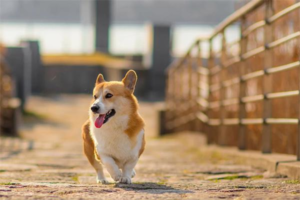
Common Items in a Dog Health Checkup
A routine dog checkup covers coat and skin, weight, temperature, eyes, ears, teeth, feces, X-rays, and blood work. Many diseases show no early signs and become serious or even untreatable by the time they appear, and older dogs face organ decline and age-related illness, so yearly exams are worthwhile. A typical visit measures rectal temperature (normal 38-38.9°C), checks eyes and ears for cleanliness, assesses coat and weight, examines the mouth for gum or tooth disease, and may add fecal, X-ray, or blood tests as needed.

Why Do Dogs Develop Rheumatism?
The exact cause of dog rheumatism is unclear, but it is now seen as an autoimmune reaction to repeated streptococcal infection, with cold, damp, rain, and overexertion as common triggers; it often returns during respiratory illness, sudden weather shifts, or after getting chilled. It appears as muscular or joint forms, causing pain, stiffness, swelling, and lameness that can shift around, and it cannot be cured, only managed. Care means a dry warm bed, balanced nutrition with calcium, and limited exercise, with veterinary anti-inflammatory and analgesic treatment during flares.

Symptoms of a Cold in Guinea Pigs
A cold in guinea pigs often brings sneezing, clear nasal discharge, labored breathing, red or weepy eyes, a sore throat with coughing, lowered activity, and sometimes poor appetite when breathing or fever is affected. Give a warm, dry home with plenty of food and water and extra vitamin C. Keep the cage clean by washing bowls and changing bedding to limit bacteria. For severe or lingering cases, see a vet rather than self-medicating, since the right treatment depends on the exact condition.