Search Results
308 results for “pet turtle”

Basic Turtle Care Essentials
Turtles are fairly easy once you know the basics. Here are the essentials — where to keep them, what to feed, and how to time and measure meals through the seasons.

How to Raise Newly Hatched Turtles: What Do Hatchlings Eat?
Turtles from egg to their first winter are called hatchlings — small, sensitive, and easy to lose, so they need careful rearing. Here is when to pond them, what to feed, and how to manage water.

Why Is My Turtle’s Poop Green?
Green turtle stool can be normal—often from eating leafy greens—but it may also signal enteritis, especially with lethargy, mucus, or darkening stool. Treat enteritis by isolating the turtle and bathing it in oxytetracycline; severe cases need a veterinarian.
How to Raise Juvenile Turtles: Diet and Daily Care Tips
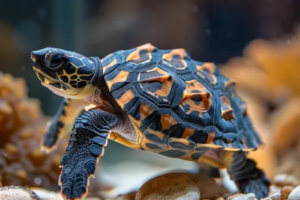
After their first winter, turtles enter the juvenile stage. At 1–2 years old they are small and fragile, so they need careful feeding and husbandry. Here are density, diet, temperature, and water tips.

What to Do When a Newly Bought Turtle Won’t Eat?
A new turtle refusing food is normal while it adjusts to its home, but it can also mean low temperature, deep water, or illness. Here are the common causes and how to coax it to eat.
Turtle Colds: Symptoms and Treatment
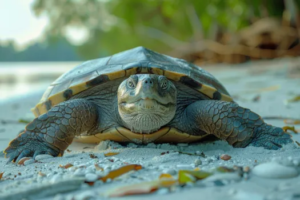
More people keep turtles as pets now. They are easy to keep but do get sick, and colds are common, so owners should know how to treat one. Here are the symptoms and treatments.

What Happens If a Golden Coin Turtle Never Gets Sun?
Sunning gives a golden coin turtle vitamin D for calcium (preventing soft shell), kills parasites and bacteria via UV, deepens shell color, and speeds metabolism and appetite. Sun juveniles 10–20 minutes and adults 30–60 minutes daily, in morning or evening — never at midday on concrete, and not during hibernation.
What Causes Scabies (Abscess) Disease in Turtles?
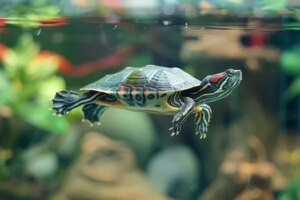
The pathogen of turtle scabies is a subspecies of Aeromonas hydrophila, normally present in water and on the turtle's skin and gut. Turtles usually carry it without symptoms, but once water is polluted or the body is wounded, the bacteria multiply and cause disease. This article covers the symptoms, causes and prevention of turtle scabies.

How to Treat a Soft Turtle Shell
A soft turtle shell is usually caused by calcium or vitamin deficiency, lack of sunlight, or prolonged soaking. Correct it by adding calcium powder or small shrimp to the diet, supplementing vitamins, and giving the turtle regular sun exposure — but expect slow recovery of 4–6 months.

Listless and Limp Turtle: Understanding Turtle Pneumonia
A turtle that is listless, limp, and refusing food is likely suffering from pneumonia—a serious illness needing prompt veterinary care. Watch for nasal discharge, wheezing, and open-mouth breathing, and treat with antibiotics (gentamicin, amoxicillin, azithromycin) plus warmth and vitamins; prevent it with good ventilation and stable humidity.