Search Results
2373 results for “pet health”

Can a Puppy’s Diarrhea from a Food Change Heal on Its Own?
Puppy diarrhea from switching food can partly resolve on its own, but don't ignore it. Transition gradually by mixing old and new food, increasing the new ratio so the gut adapts. Watch the puppy's energy, appetite, and stools. Severe diarrhea may need pausing the switch and a vet's advice. Diarrhea can dehydrate, so ensure water and consider probiotics.
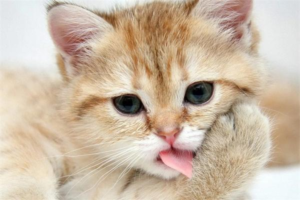
How to Calm a Stressed Cat (Feline Stress Response)
Stress can cause digestive issues, mood swings, and behavior changes. To ease it, find the cause, create a stable safe environment, spend more time, and use pheromones or calming scents. Prevention is a stable home and watching mood. If the cat vomits, won't eat, or shows urinary blockage/blood, see a vet promptly.

Notes on Keeping Goldfish in Winter
Winter's low temperature slows goldfish metabolism and weakens immunity, so adjust diet and water changes. Reduce feeding amount and frequency and lower change frequency. Avoid adding new fish in winter. Watch their condition for early signs; manage diet and water changes to lower illness risk.

How to Choose Goldfish Food
Good goldfish food: pleasant smell, doesn't cloud water, not greasy, small size, doesn't swell in water, over 30% protein, and the fish like it. If fish won't eat it, even great food is useless, so preference is the basis. Good food smells fresh of shrimp/fish; bad smells of rot or sourness and is greasy from oil used to fake aroma.
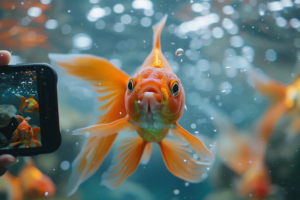
Why Arowana Refuse to Eat
Many factors cause arowana to refuse food - large water-quality swings, sudden environmental change, indigestion, a monotonous diet, or illness. Solutions differ by cause: change and stabilize the water, let the fish rest quietly, fast and regulate digestion, vary the diet, or treat the specific disease. Check water, environment, food, and health to find the cause.
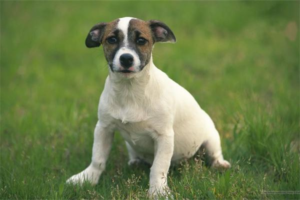
How to Tell If Your Dog Has Roundworms
Roundworms show as constipation or diarrhea (sometimes worms in stool), poor appetite, nausea, weight loss, dry coat, and itchy skin. A vet confirms by fecal exam, clinical signs, or ultrasound when heavy. Deworm with the right drug, keep a regular schedule (pups monthly, adults every 3 months), and maintain hygiene and diet control.
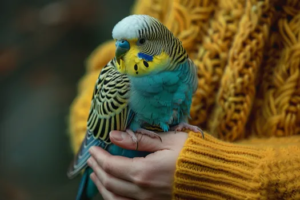
What to Know When Raising a Myna as a Beginner
New myna owners should pick a lively, healthy bird with glossy feathers, give a right-sized cage with toys and space, feed a balanced diet of special myna feed plus fruit, vegetables, and nuts, and let it adapt quietly. Socialize daily, keep the cage clean, train gently, and watch for signs of illness.

What to Do When a Dog Keeps Panting
Panting can stem from overheating, stress, pain, heart or lung disease, or tracheal collapse. Cool an overheated dog and ease a scared one with quiet, interaction, or a calming spray. If panting persists or comes with other symptoms, see a vet promptly. Prevent with a clean home, regular checkups, and good diet and exercise.

How to Train a Dog to Potty in a Designated Spot
Potty training works best after eating, drinking, waking, or playing - take the dog to the spot when it circles or sniffs. Use a clear verbal cue and reward success with praise or treats. Stay patient with accidents, correct gently, and seek a pro trainer if it doesn't learn. Indoor training: scent the pad with its own urine or feces.
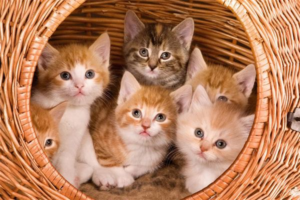
Should You Wipe a Cat’s Bottom After It Poops?
Normally you needn't wipe a cat's bottom - stools are formed and the cat grooms itself; wiping makes it lazy. Only clean it if diarrhea soils the fur. Also, a cat's no-touch zones are the butt, belly, tail, and paws; strangers should avoid them and start with the back.