Search Results
2373 results for “pet health”

What Checks Should You Do Before Bringing a Stray Cat Home?
Before adopting a stray, take it to a vet for a full exam and vaccines based on age and antibody level; deworm if parasites are found. At home, prepare essentials like a litter box, litter, and food, and give it time and space to adjust.

How to Tell a Chinchilla’s Age
Newborns are small with soft, pale fur and no teeth; adults are full-bodied with bright, glossy coats and white, sharp teeth; seniors have sparse, dull fur and loose, worn teeth. Weight also helps: about 250 g at 3 months, 450 g at 6 months, over 500 g as adults. Young ones are active and curious; older ones are calmer.
Why Don’t Cats Catch Mice Anymore?
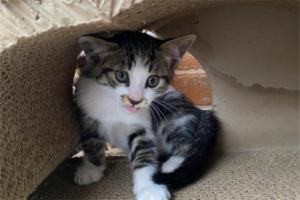
Modern pet cats often ignore mice because their lifestyle has changed. Well-fed house cats have a weaker hunting drive, prefer tender wet food, and may lack exposure to or energy for hunting, especially as they age.

What Happens When a Cat Is Attacked by Another Cat?
A cat that loses a fight can suffer scratches, bites, and bruising that may need veterinary care. Beyond physical harm, it may develop anxiety, hide, avoid people, or turn aggressive toward other pets.

How to Help Two Cats Get Along
To help two cats coexist, learn their habits and give each its own space, food, and litter box. Use a scent-exchange buffer period, gradual supervised interaction with treats or toys, and plenty of resources and love.

How to Tell If Your Chinchilla Feels Lonely
Lonely chinchillas show dropping appetite, poor sleep, low activity, and anxiety-driven behaviors like cage-chewing or biting. As social animals, they need companionship; relieve loneliness with a cagemate, an enriched environment, and daily interaction.

Why Does a Rabbit Paw the Ground Repeatedly?
A rabbit pawing the ground may be marking territory, attracting mates (the 'foot thump'), digging, trimming long nails, or signaling skin parasites, allergies, or pain. Watch for other symptoms; if none, it's normal—if others appear, see a vet.

Why Is My Cat’s Belly Large and Hard?
A large, hard cat belly can come from digestive issues (constipation, gas, hairballs), fluid buildup from FIP/heart/kidney disease, a tumor, or pregnancy. See a vet promptly to find the cause; treatment ranges from diet and medication to surgery.

What to Do When a Pregnant Rabbit Stops Eating
A pregnant rabbit may stop eating due to hormonal changes, uterine pressure, environment, or diet. Observe for other symptoms; try fresh produce, hay, clean water, and a quiet space. If appetite doesn't return or other signs appear, see a vet. (Note: reduced eating right before birth is normal.)
Will a Cat Pass a Swallowed Object on Its Own?
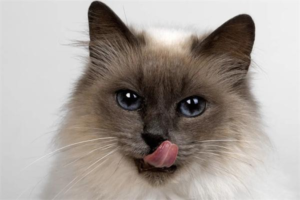
A cat may pass a small, smooth object, but larger or oddly shaped items can block the gut and cause serious harm. Watch for poor appetite, lethargy, vomiting, drooling, or belly pain and see a vet; diagnosis may use endoscopy or X-ray, with treatment from monitoring to surgery.