Search Results
2373 results for “pet health”

Is It Normal for a Neutered Male Cat to Sleep a Lot?
After neutering, hormone changes can make a cat sleepy, tame, and inactive. Sleepiness right after surgery is usually the anesthetic wearing off, up to 24 hours, and needs no worry; longer lethargy from hormones means controlling diet to two-thirds of pre-op portions and adding play. Watch the wound, diet, rest, and avoid baths for two weeks.

Arthritis in Dogs and Cats: Symptoms, Medication & Care
Arthritis in pets brings red, swollen, painful joints and can end in deformity or paralysis. This guide covers causes, joint supplements (chondroitin, calcium, meloxicam), and prevention through a dry, warm environment, diet, and moderate exercise.

Gastroenteritis in Dogs and Cats: Types, Symptoms & Medication
Gastroenteritis in dogs and cats spans gastritis (acute/chronic) and enteritis (viral, bacterial, parasitic). This guide covers causes, symptoms, and the medication approach—anti-inflammatories, anti-vomiting, anti-diarrhea, dewormers, probiotics—plus prevention.

What to Do About Rabbit Constipation
Rabbit constipation often comes from dry food, low water, or too little fiber and exercise. Relieve it with diet changes, probiotics, outdoor exercise, and hairball remedies to keep the gut moving.

Why Is Your Rabbit Not Eating? Common Causes
A rabbit that stops eating can signal seasonal boredom, a sudden food change, breeding period, bloating, or pregnancy. This article lists the main causes and the practical responses for each.

Feline Rhinotracheitis (Cat Flu): Symptoms and Treatment
Feline rhinotracheitis, also called infectious rhinotracheitis, is a highly contagious herpesvirus infection causing fever, sneezing, eye discharge, and sometimes death—especially in kittens. This article covers its causes, symptoms, medication-based treatment, and vaccine prevention.
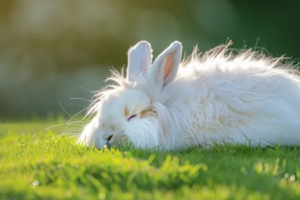
Rabbit Conjunctivitis
Conjunctivitis is a serious, contagious rabbit eye disease; untreated it can blind. It's often from pasteurella in dirty, damp housing. This article covers causes, the incubation period, and prevention/treatment.
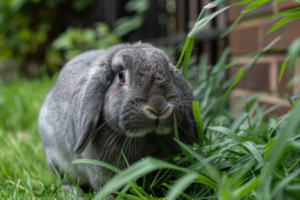
The Pathogenesis of Rabbit Red-Eye Disease
Red-eye disease is another name for rabbit conjunctivitis—a common, serious, contagious illness caused mainly by pasteurella overgrowth. This article explains how it develops, its incubation, and treatment.

Why a Rabbit’s Eyes and Nose Look Wet
Wet eyes and nose in a rabbit can mean a cold, moisture from drinking, or eye irritation from debris. A careful check is needed to find the cause—this article explains the responses.

Common Food and Drug Poisoning in Cats and Dogs: Symptoms and Treatment
Poisoning in pets is uncommon but dangerous. It falls into food poisoning (bacterial, fungal, toxic plants, chemicals, and human foods like onions, chocolate, macadamia) and drug poisoning (aspirin, ibuprofen, acetaminophen, vitamin D, ivermectin). This article covers the symptoms and what to do.