Search Results
2373 results for “pet health”

Symptoms and At-Home Medication Treatment for Canine Distemper and Feline Panleukopenia
Distemper disease is a highly contagious viral disease with a high fatality rate, usually showing symptoms such as high fever, vomiting, diarrhea, loss of appetite, lethargy, and increased eye and nasal discharge. Common pets such as dogs and cats may be infected with the distemper virus, and the most effective way to prevent viral infection is vaccination. Today we explain knowledge about distemper disease around canine distemper and feline panleukopenia.

Common Causes, Medications, and Prevention of Sneezing and Runny Nose in Dogs and Cats
Sneezing and runny nose in pets are symptoms of disease, usually caused by respiratory infections. Sneezing and a runny nose are physiological responses of the nasal mucosa to various irritants; the more common causes are colds and rhinitis. Next, we introduce the causes of sneezing and runny nose in dogs and cats and the medication treatment for the corresponding diseases.

What to Do When Dogs and Cats Have Diarrhea? Keep These Fast Antidiarrheals on Hand
The medical term for diarrhea is diarrhea, which usually refers to changes in bowel habits and stool characteristics, generally manifested as frequent defecation, increased stool volume, loose stools, and bloody stool. Most diarrhea in dogs and cats is caused by gastrointestinal discomfort, but it may also be a concurrent symptom of other diseases. Today we discuss knowledge about diarrhea in dogs and cats.
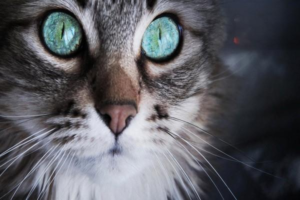
Symptoms of Heart Disease in Cats
A US study found 16% of seemingly healthy cats hide heart disease. Key warning signs: mouth-open breathing, strong chest/belly movement, sudden hind-leg paralysis from arterial clot, and fainting. Act fast at any of these.

Symptoms of Cardiomyopathy in Cats
The three types of feline cardiomyopathy share similar signs — all lower the heart's pumping power and end in failure. Spotting fast breathing, blue gums, weak pulse, or sudden collapse early can save your cat's life.

Feline HCM: The Silent Killer of Cats
Hypertrophic cardiomyopathy is the most common — and most hidden — heart disease in cats. It can strike any breed or age, often found only at a late stage. Learn what it is, why it happens, its signs, and daily care that helps.

Signs and Treatments of Cat Rhinotracheitis (Feline Herpesvirus)
Cat rhinotracheitis is a contagious herpesvirus airway infection. Paroxysmal cough, mouth ulcers, and conjunctivitis are the tell-tale signs. Isolate the cat and use targeted antivirals plus immune support — adult death rate is 20–30%.

Dog and Cat Vaccines: Types, Schedule & Precautions
Vaccination is the most effective defense against infectious disease in pets. This guide covers dog and cat vaccine types (distemper/parvo, FVRCP, rabies, kennel cough), schedules, and key before/after precautions including deworming and timing.

What Causes Acquired Heart Disease in Dogs
Surveys show 5–8-year-old dogs have a 10% heart-disease rate. Beyond genes and age, breed, obesity, diet, and teeth all play a role. Learn the acquired causes and how to prevent them with low-stress, low-sodium living.

Nursing Basics for a Dog with Heart Disease
Daily care is what keeps a heart-disease dog stable. The rule of thumb is the "three limits" — water, salt, and excitement — plus the right medication and gentle exercise. Here is a practical care checklist for owners.