Search Results
2374 results for “pet health”
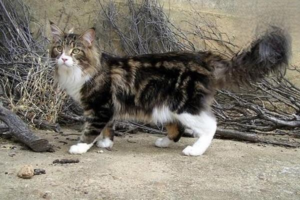
What Causes Abdominal Distension in Cats?
Abdominal distension in cats can signal anything from benign indigestion to serious congenital defects such as anal atresia or polycystic kidney disease. Dietary causes include spoiled ('toxic') milk from an infected queen, while parasites, infections, and simple digestive upset are common culprits. Because bloating ranges from mild to life-threatening, prompt deworming, probiotics, or a veterinary diagnosis is essential.

Diseases Cats Are Prone to in Winter
Winter weakens a cat's defenses, raising the risk of three problems: panleukopenia (distemper) — highly contagious, often fatal in kittens, prevented by vaccination; feline herpesvirus (cat flu) — carried silently, deadly when it flares in the cold; and chill-driven vomiting/diarrhea that can become gastroenteritis. Keep up vaccines and nutrition, stay warm, and limit winter baths to once every one to two months.

What to Give Your Rabbit to Chew (Teeth Trimming)
A rabbit's teeth grow continuously, so it needs constant chewing material to wear them down—hay is ideal, and chew sticks, mineral stones, and wooden blocks work well for pets. Without enough wear, overgrown molars can pierce the gums and cause face abscesses. Pelleted feed also helps wear teeth and suits busy owners.

Why Does a Dog Keep Scratching?
Frequent scratching usually means something is wrong with the skin: over-bathing or human shampoo, fleas and lice, healing wounds, allergic dermatitis, or eczema from bacterial, fungal, or mite infection. Bathe every 2–4 weeks with pet shampoo, deworm monthly (ivermectin or fipronil outside, albendazole inside), fit an Elizabethan collar on healing wounds, and use chlorpheniramine plus a skin spray for allergies. Small areas of eczema can be treated topically; otherwise see a vet.

Common Causes of Feline Obesity
Feline obesity is driven by age, genetics, neutering, and too little exercise, and it raises the risk of heat intolerance, heart disease, diabetes, and a shorter life. Prevention comes down to scheduled feeding, a lean high-protein diet, and daily play.

Symptoms of Hepatitis in Dogs and How to Treat It
Canine hepatitis commonly shows up as loss of appetite, lethargy, digestive upset, weight loss, and anemia. Treatment targets the underlying cause and combines medication to support bile flow with a balanced diet and steady at-home care.

Simple Ways to Protect Your Cat’s or Dog’s Joints
Arthritis can't be cured, so protecting your cat's or dog's joints every day slows degeneration. Balanced nutrition, a healthy weight, regular moderate exercise, a joint-friendly home, and vet care when needed all help keep them mobile and comfortable.

What to Do When a Kitten Sneezes with a Clear Runny Nose
Clear, watery nasal discharge in a kitten usually means a mild common cold rather than rhinotracheitis — observe first if there's no fever or eye redness. Keep the environment clean and warm, add nutrition, and never give human cold medicine, which can harm the kidneys or liver.

Do Female Dogs Get Periods? Caring for a Dog in Heat
Most dogs have their first heat around six months of age, with the cycle lasting roughly two weeks. During this time immunity dips and the dog draws unwanted attention, so keeping her clean, calm, and contained is what gets you both through it.

What to Feed a Pekingese
Food keeps a dog healthy, but kibble quality varies widely, so picking the right food for a Pekingese means reading labels and favoring sealed packs. Feed by life stage and the bag's guide, and kibble also helps prevent tartar.