Search Results
2370 results for “pet health”

Black Wood Turtle
The Black Wood Turtle (Rhinoclemmys funerea) is a striking freshwater turtle with a black or dark brown carapace and yellow-edged plastron, native from Honduras south to the Panama Canal. Cold-tolerant and highly adaptable, it can be kept aquatic or terrestrial, though males should be housed separately to avoid fighting.
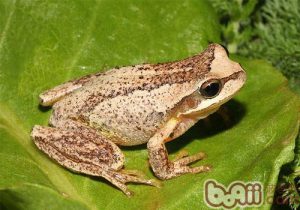
Brown Tree Frog
The Brown Tree Frog (Litoria ewingii) is a small, highly adaptable hylid frog native to southeastern Australia and introduced to New Zealand, classified as a species of Least Concern. It breeds year-round—peaking in summer after rain—and is known for its distinctive whistle-like call and brown body marked with two black stripes.
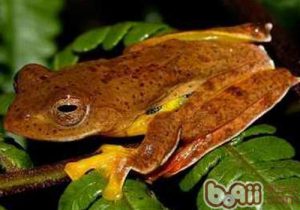
Rhacophorus bipunctatus
Rhacophorus bipunctatus, a flying-tree-frog relative from India, Myanmar, and Malaysia, has toe pads for climbing and can change color like a chameleon. An arboreal frog that needs a planted, humid terrarium and live, moving prey.

Gopher Tortoise
The Gopher Tortoise (Gopherus polyphemus) is a burrowing land turtle of the southeastern United States, strictly herbivorous and protected by law due to its small wild population. Famous for digging deep burrows (11–15 m), it needs a dry, sandy outdoor enclosure with plenty of sunny space.
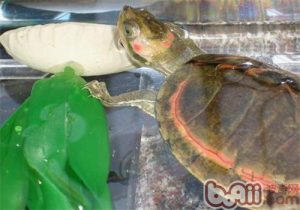
Pink-ringed Tent Turtle
The Pink-ringed Tent Turtle (Pangshura tentoria) is a striking high-domed turtle with pink cheeks and a pink ring around its carapace, but it is delicate, with hatchling mortality often above 80%, mostly from skin rot. Best suited to experienced keepers who can provide stable temperatures and a basking area.
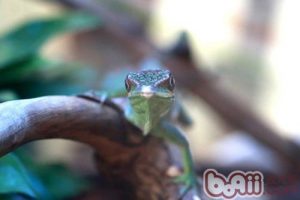
Green Anole
The Green Anole (Anolis carolinensis) is a small, tree-dwelling lizard from the southeastern United States and Caribbean, famous for changing color between green and brown, earning it the nickname 'American chameleon.' A diurnal, insect-eating pet that is easy to keep in a planted terrarium with heat and UVB.

Red-eared Slider
The world's most popular pet turtle and, outside its native range, one of the most damaging invasive species - hardy, personable, but a serious ecological responsibility.
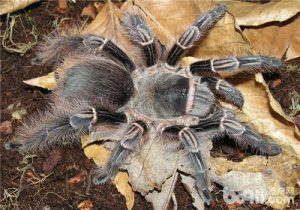
Pink Zebra Beauty
The pink zebra beauty is a large, docile terrestrial tarantula from the South American Pampas, named for its pink hairs and golden leg bands. Reaching a 14–16 cm leg span, it is gentle but fast, and does well in a burrow-style setup with moist substrate.

French Guiana Blue Fang
The French Guiana blue fang (Ephebopus cyanognathus) is a strikingly beautiful, metallic-hued tarantula from the rainforests of French Guiana, valued by collectors for its blue chelicerae. A burrowing species needing warm, humid conditions, it is best left unhandled due to its potent venom.

Texas Map Turtle
The Texas Map Turtle lives in the Colorado River basin of the Edwards Plateau in Texas and is a relatively common map turtle, though priced higher; it resembles the Mississippi Map Turtle and is sometimes hard to tell apart. It is the smallest-shelled of all map turtles, with no prominent keel.