Search Results
2370 results for “pet health”
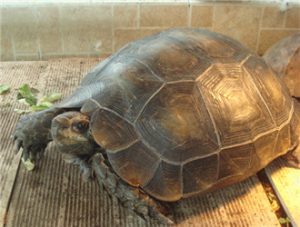
Burmese Mountain Tortoise
The Burmese Mountain Tortoise (Manouria emys) is one of Asia's largest tortoises, a shy forest dweller from western India to Vietnam and Sumatra. It loves warmth and humidity, shuns bright light, and is a committed herbivore that rarely accepts animal food.

Altum Angelfish (Pterophyllum altum)
The altum angelfish (Pterophyllum altum) is found in the Orinoco basin of Venezuela and Colombia. Not very hard to keep, but it needs oxygen-rich, roomy water and must not be frightened. Because it is hard to tame, artificial breeding is difficult and it should not be mixed with small fish.

Spotted Barramundi (Scleropages leichardti)
The spotted barramundi (Scleropages leichardti), commonly called the Australian spotted lungfish, reaches about 50 cm and is extremely aggressive—it can bite fish much larger than itself, so watch carefully when mixed-keeping.
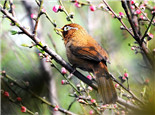
Hwamei (Chinese Hwamei)
The hwamei (Garrulax canorus) looks plain but has a famously loud, melodious song and has long been a prized cage bird in China. It is shy and alert, feeds on insects and seeds, and is the city bird of Guangzhou.
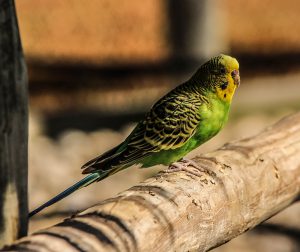
Budgerigar
The budgerigar (Melopsittacus undulatus) is one of the most common parrots worldwide and a favorite first bird for many homes. Though its call is unremarkable, its beautiful, varied plumage and easy care make it beloved; with good keeping it can live 10 to 20 years.

Japanese Macaque (Japanese Pocket Monkey)
The so-called 'Japanese pocket stone monkey' sold in the pet trade is in fact a young Japanese macaque (Macaca fuscata) infant. Wild-caught or illegally traded individuals adapt poorly, carry zoonotic disease risks, and keeping primates as pets is strongly discouraged on welfare and legal grounds.

Guinea Pig
The Guinea Pig (Cavia porcellus), also called the cavy, is a gentle South American rodent kept worldwide as a pet. It needs a roomy cage, a bottle, and — unlike many rodents — a diet with added vitamin C: grass hay, guinea-pig pellets, and fresh vegetables. Its teeth grow for life, so fibrous food is essential.
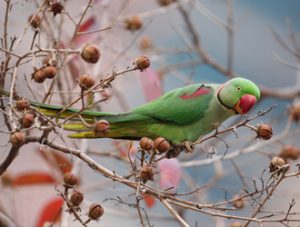
Alexandrine Parakeet
The Alexandrine Parakeet (Psittacula eupatria) is the largest parakeet in Asia — over 55 cm long, mostly green with a red beak and a gray-blue neck. Loved for its beauty, speech, and gentle nature, it needs a large cage, daily interaction to avoid feather-plucking, and fresh branches to chew. Captive-bred birds are easier to keep and breed.
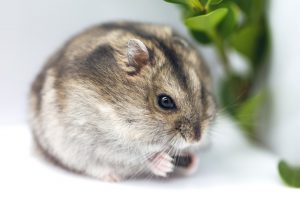
Winter White Dwarf Hamster
The Winter White Dwarf Hamster (Phodopus sungorus), also called the Djungarian hamster or Russian dwarf, is the easiest and tamest of the small hamsters and turns white in winter. A solitary species, it needs a safe cage, a wheel, and a careful diet free of onion, chocolate, and apple seeds. Lifespan 2–3 years.

Red-breasted Parakeet
The Red-breasted Parakeet (Psittacula alexandri), also called the Moustached Parakeet, is a common, green-plumaged pet parrot prized for its ability to mimic speech. Talking takes patient training, and sexes differ in beak and throat color. It needs a roomy cage or a tether, a varied diet, and an owner willing to invest time.