Search Results
2370 results for “pet health”

Key Points for Keeping Turtles as a Beginner
Good water, enough food, sunlight, and suitable temperature are the basics of turtle keeping and the keys to a long, healthy life. Focus on diet: choose high-quality turtle pellets for balanced nutrition and avoid processed human foods like sausage, bacon, and fried snacks, which are salty and burden the liver. Feed by size, two to three small shrimp for a hatchling, and adjust frequency with the season, roughly every one to three days and daily in hot summer.
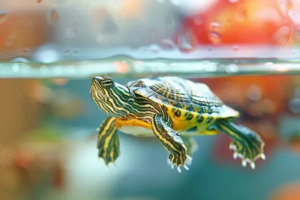
Which Turtles Are Cheap and Easy to Keep?
Popular pet turtles that are both affordable and easy include the Chinese pond turtle, red-eared slider, painted turtle, Burmese tortoise, yellow-spotted side-neck, Mississippi map turtle, flame turtle, mud turtle, and musk turtle. They resist disease and suit beginners. The Chinese pond turtle is native, interactive, and trainable; the red-eared slider is cheap, easy, and long-lived beyond twenty years; the yellow-spotted side-neck is colorful but needs a heater above 30 degrees as a tropical species.

How to Get a New Silver Arowana to Start Eating
The silver arowana is a premium tropical fish that needs patience; a new fish should rest and adjust before it feeds. Keep the water clean and stable, hold the temperature at 25 to 28 degrees Celsius with a heater, and offer high-protein food such as fresh fish or quality pellets while watching which it prefers. Give a quiet, calm environment with minimal disturbance, and if it refuses food for a long time, a little aquarium salt can curb bacteria and fungi and spark appetite.

What Diseases Does the FVRCP Cat Vaccine Prevent?
The FVRCP vaccine, commonly called the cat triple vaccine, protects against three contagious feline diseases: feline viral rhinotracheitis (FVR), calicivirus (FCV), and panleukopenia (FPV, or feline distemper). It greatly lowers infection risk but is not a full guarantee. Kittens can start at eight weeks, need two to three shots three to four weeks apart, and then an annual booster. Sick or pregnant cats should not be vaccinated.

What Kinds of Cats Are the Most Affectionate
Cats have a reputation for being aloof, so when one chooses to cuddle and beg for attention it feels like a real win. Affection shows up as following you room to room, jumping on your laptop, sleeping in your bed, sitting on your lap, meowing or pawing for notice, and rubbing its face on you. Male cats tend to be cuddlier than females because they act on instinct and, after neutering, pour that need for contact onto their owner. Breeds like American Shorthair, Ragdoll, Maine Coon, and Siamese lean affectionate. Build trust by meeting the cat's needs and respecting its space, but beware over-dependence: too much clinginess can become separation anxiety, a real stress disorder worth managing.

What to Do When Your Cat Has a Fever
Cats get fevers just like people, but a cat's fever is rarely simple - it can signal parasites, stress, bacterial infection, panleukopenia (feline distemper), feline herpesvirus, or various inflammations. A fever is not a small matter: left alone it can damage organs and even turn deadly. Telltale signs include hot ears and tail tip, a dry nose, sweaty paw pads, and a cat that suddenly prefers cool floors and dark corners while eating less and looking limp. Normal cat temperature runs 38-39C (about 39.3C in kittens); above 39.5C is a fever and above 40C is high. For a mild fever or when a clinic is out of reach, cool the paws and belly with alcohol and offer water, but never give human fever medicine, which can be fatal - see a vet for high fevers.

Do Cats Bully Each Other?
Bullying does occur among cats, yet owners often overlook it—especially in multi-cat homes. Cats are territorial animals that establish a social hierarchy, so competition over food, water, litter boxes, space, or a newcomer's arrival can trigger one cat to intimidate another. Typical bullying includes chasing, pouncing, biting, resource guarding, and social exclusion, while victims may over-groom, hide, lose appetite, or grow aggressive. Left unchecked, chronic stress harms the targeted cat's health and the household's harmony. The good news is that owners can prevent and reduce conflict by providing ample resources, introducing new cats gradually, intervening calmly when fights start, and avoiding favoritism. This guide explains why cats bully, how to spot both the behavior and its victims, and practical steps to restore peace.

What Is Canine Salmonellosis
Canine salmonellosis is a group of infections caused by bacteria of the Salmonella genus, which can affect both dogs and people. Dogs pick it up from sick animals, contaminated food and water, or even healthy-looking carrier dogs, and the illness ranges from silent carriage to severe, life-threatening septicemia in young puppies. Signs include fever, vomiting, watery or bloody diarrhea, and rapid dehydration. Diagnosis relies on culture and identification of the bacteria from stool or organs, and treatment pairs antibacterial drugs with fluid and symptom support. Careful food handling and a clean environment are the cornerstones of prevention.

Which Turtles Are the Most Interactive?
Many turtles are surprisingly interactive, including the Mexican mud turtle, Florida snapping turtle, West African side-neck, yellow-spotted side-neck, western painted turtle, map turtle, musk turtle, helmet mud turtle, Chinese pond turtle, and red-eared slider. The Chinese pond turtle is a native species that adapts well and rarely gets sick. No matter the breed, good interaction depends on learning the turtle's habits, feeding appropriately, and giving consistent, scientific care so the turtle stays healthy.

What Is Canine Tuberculosis
Canine tuberculosis is a chronic, slowly progressive infection caused by Mycobacterium tuberculosis complex bacteria. Dogs usually catch it from infected people, cattle, or cats through the air or contaminated food and water, and it can pass to humans as well. Early signs are vague - odd appetite, tiredness, and gradual weight loss - but as the disease advances, dogs may develop a persistent cough, digestive upset, abdominal swelling, or skin ulcers depending on which organs are affected. Because the infection forms hardened granulomas in tissues, it is difficult to cure, and open or positive cases are generally humanely euthanized to protect public health. Strict hygiene and prompt testing of sick animals are the main defenses.