Search Results
2370 results for “pet health”
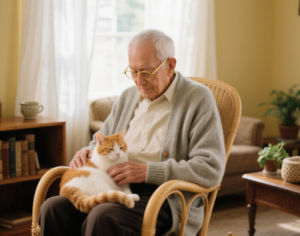
Why Are Cats Raised by Elderly Owners So Calm and Obedient?
Cats kept by elderly owners often seem gentler and more obedient than the lively pets raised by younger people, and the reason is rooted in pet behavior science. Cats love calm, predictable routines, and an older person's slow, regular daily rhythm gives them a sense of safety that lowers their guard. Seniors also provide the 'effective companionship' cats value most—short, low-intensity interactions like petting and soft talk scattered through the day—rather than infrequent marathon play sessions. On top of that, elderly owners tend to be gentle yet consistent: they neither shout nor overindulge, setting clear rules while offering unconditional acceptance. This calm, secure environment lets a cat relax and show its sweetest side.

Why Does Your Dog Bite Your Pant Legs? (And What It Means)
When a dog grabs and tugs at your pant leg, it is rarely out of spite. Most often the dog is trying to get your attention, invite you to play, or signal a need such as an empty food bowl. The swaying fabric can also trigger an inherited prey drive, since a moving pant leg looks like something to chase. In some cases—especially when you pick up keys or put on shoes—it signals separation anxiety: studies show a large share of dogs chew scent-bearing items to soothe themselves when they sense you are leaving. The fix is consistency: ignore the behavior, reward calm following, offer chew toys, and meet the dog's exercise needs. Understanding the motive behind the bite is the first step to changing it, and learning your dog's other body-language cues helps you bond.

What Happens When a Budgie Is Overweight?
An overweight budgerigar suffers in health, mobility, and quality of life, and its social behavior and breeding ability can suffer too. Extra weight weakens flight, strains the joints (raising arthritis risk), and invites high blood pressure, heart disease, and fatty liver or diabetes from a high-calorie diet. Obese birds may also be bullied by flock mates and struggle to breed. Owners should manage weight with a balanced diet, fewer high-fat foods, more fiber, and ample exercise space with perches and toys. Only a healthy budgie shows its best colors and enjoys a full, happy life.

Why Isn’t My Goldfish Growing?
A goldfish that stays small is usually a sign of husbandry problems rather than bad genes. The environment is the single biggest factor—a tank that is too small or water that is dirty, the wrong temperature, or low in oxygen slows metabolism and stalls growth. Diet matters just as much: too many carbohydrates and too little protein or vitamins restricts development. Feeding style, water testing, and waste removal also play a role. To help a goldfish reach its full size, give it a spacious, stable tank with filtration, keep water clean and well-oxygenated, and feed a high-quality food in small, frequent meals matched to its life stage.
What to Do If Your Guinea Pig Won’t Eat?
A guinea pig that loses its appetite can signal illness—such as a cold, intestinal parasites, or dental problems—or simpler issues like a monotonous diet, spoiled food, a move, stress, or poor digestion. Because these animals are sensitive, the key is to find the cause and act. Offer varied, nutritious food (vegetables, fruit, pellets), encourage gentle daily exercise like walks or play to aid digestion, and watch its body closely so any health problem gets veterinary care quickly. With the right diet, a calm environment, and attention to its mood, most guinea pigs regain their appetite.

Why Is My Dog So Sleepy in Summer?
Many dogs seem lazier and sleep far more once summer arrives. In most cases this is a normal response to heat—dogs cool themselves mainly by panting and through their paw pads, so they naturally slow down to avoid overheating. However, persistent lethargy paired with panting, a rising temperature, or appetite loss can signal heatstroke or illness. Keep your dog cool, hydrated, and walk them during cooler hours to stay safe.

Why Cats Eat Less in Winter (and What to Do)
Cats are poor at regulating body temperature, so when it gets cold their metabolism slows and appetite often drops. Lower winter activity also weakens gut motility, slowing digestion and leading to reduced interest in food. Appetite loss can also signal a health problem—a chill, a cold, oral disease, or long-term cold drinking water causing stomach upset. To help, warm your cat's surroundings, feed on a fixed schedule, and boost palatability by mixing in favorites like chicken, fish, freeze-dried treats, or egg yolk, and serve food slightly warmed. If you notice sneezing, runny nose, lethargy, fever, diarrhea, or vomiting, see a vet.

Chinchilla Twitching: Causes and How to Respond
Occasional mild twitching or trembling in a chinchilla can be perfectly normal—chinchillas often flick their faces to sense air currents and check for danger. However, repeated or severe twitching may point to a nutritional imbalance, chronic stress, or an underlying illness. Calcium or vitamin B1 deficiency, loud or bright stressful environments, and conditions such as liver disease, diabetes, epilepsy, or poisoning can all trigger muscle spasms. Because twitching can be an early warning sign, owners should observe their pet closely and seek veterinary care if the behavior is frequent or comes with other symptoms. A balanced diet, a calm and comfortable habitat, and stable temperatures are the best preventive measures.

What Are Dogs Most Likely to Be Allergic To?
Allergies are common in dogs, and the usual triggers fall into three groups: food, environmental factors, and parasites. Food allergies often show up as itchy skin, digestive upset, and general discomfort—some dogs react to dairy, eggs, chicken, or gluten-rich grains like wheat and corn. Environmental allergens such as pollen, dust, mold, mites, and certain pet products can cause sneezing, breathing trouble, itching, and stomach issues. Parasites like fleas and mites provoke relentless scratching, licking, and biting that can damage the skin and lead to infection. Once you identify the trigger, the response is targeted: remove the offending food, reduce allergens at home through regular cleaning, limit outdoor exposure during high-pollen seasons, and keep up a consistent deworming schedule. For severe cases, a vet may prescribe relief medication or recommend immunotherapy to build tolerance.
Why Dogs Drink Less in Cold Weather (and Why It Matters)
As temperatures drop, many dogs drink far less, but winter dehydration is no minor issue — it can concentrate urine, form mineral crystals, and lead to urinary tract infections, stones, or even blockages. Low water also slows digestion and causes constipation, strains the kidneys, and thickens the blood, burdening the heart. A healthy adult dog needs 40–60 ml of water per kg daily, and no less than 30 ml/kg in winter. To encourage drinking, offer warm water (28–40°C), add a splash of something tasty like broth, place bowls around the home, use a flowing fountain, and boost activity on sunny days so your dog drinks after exercise.