Search Results
2370 results for “pet health”
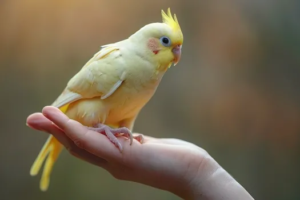
How to Keep a Budgerigar Warm in Winter
Budgies tolerate cold poorly, so act quickly when temperatures drop. Provide a warm, draft-free cage, extra high-energy food and warm water, steady light, and close daily observation so illness is caught early.
What are a cat’s stress reactions?
Cat stress shows as trembling, appetite loss, and digestive upset, and in severe cases vomiting or breathing difficulty. Reducing environmental change helps prevent serious health effects.

Why Is My Goldfish Lying on the Bottom of the Tank in Winter?
A goldfish resting on the tank bottom in winter is usually caused by low water temperature, poor water quality, or illness. Cold water slows the fish's metabolism so it conserves energy at the bottom—raise the temperature to 18–25°C with a heater. Dirty water should be refreshed and kept at pH 6.5–7.5, while disease (enteritis, temperature shock, bacterial infection) needs prompt isolation and a 1% salt bath. Regular water changes and added aeration further prevent the problem.

How to Improve Your Cat’s Happiness
A cat's happiness rests on four pillars: balanced nutrition, a safe and stimulating home, regular interaction, and consistent preventative healthcare. Feeding scheduled meals, providing hiding spots and toys, playing 10 to 15 minutes a day, and keeping up with vaccines, deworming, and dental care together build a contented, healthy cat.

What to Feed a Cat With Anemia
Anemic cats benefit from iron- and protein-rich foods, red meats such as beef, lamb, and salmon, organ meats like chicken, duck, or pork liver, and seafood such as tuna, shrimp, and mackerel, plus vitamin B12 and folic acid to support red-blood-cell production. For severe anemia, vet-prescribed iron supplements or liver-support tonics may be needed.

Spaying a Female Cat: Pros and Cons
Spaying removes a female cat's uterus and ovaries, preventing heat cycles and pregnancy while protecting against pyometra, uterine cancer, ovarian cysts, and mammary tumors. The trade-offs are surgical risks, possible post-op infection, slower metabolism and weight gain, and occasional behavior changes, so weigh your cat's health and your own situation before deciding.
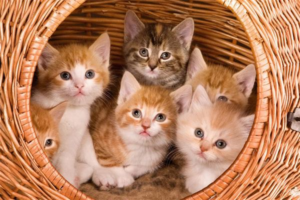
Why Do Mother Cats Get Postpartum Depression?
Postpartum depression in cats has many causes — hormonal shifts as well as environmental and personal factors. After birth, give the mother a quiet, stable environment with enough rest and affection to prevent it. If symptoms appear, get veterinary help promptly so she recovers.

Things to Consider When Taking Your Dog Home for the Spring Festival
Traveling home with your dog for the holidays takes planning: confirm your dog is healthy, pack its essentials, and get it used to the car (or sort out pet shipping papers 1–2 weeks ahead for train or air travel). Once at a new environment, ease its anxiety with a quiet space and familiar routine, and during the festival guard against fireworks stress, escape risks from frequent visitors, and toxic human foods such as chocolate, grapes, and onions.

How to Prevent Bad Breath in Dogs
To prevent bad breath, keep these points in mind: 1) avoid too much wet food and feed a harder, easily digested natural kibble; 2) brush regularly to remove food debris and limit bacteria; 3) give probiotics occasionally to support gut health; 4) see a vet promptly at any sign of oral disease.

How Should an Old Dog Eat After Losing Its Teeth?
After a dog loses its teeth, you can help it keep eating well by adjusting its diet — choose foods that are easy to chew and swallow, and avoid hard items that irritate the mouth. Pay attention to balanced nutrition and ongoing dental care so your senior dog can still enjoy meals and stay healthy.