Search Results
2370 results for “pet health”
What Does It Mean When a Cat Stares at You?
A cat that stares may simply be curious, gathering information about your habits. If it brings a toy and stares, or jumps on your desk and paws your hand while you work, it likely wants play. But a fixed stare with dilated pupils, ears back, a tense body, and a flicking tail means it feels threatened and is on guard. Read the full body language — ears, tail, posture — and the situation to judge, then meet the need.

Common Side Effects After Cat Vaccination and What to Do
Mild reactions after a cat's vaccination—low fever, tiredness, poor appetite—are normal and usually fade in 1–3 days as the body builds antibodies. Watch for serious signs like facial swelling, vomiting, or breathing trouble and head to the vet; keep the cat calm, hydrated, and away from other cats for a week.

How Long Can a Dog with Neuritis Survive?
A dog's survival time with neuritis depends on severity, how quickly treatment begins, and the quality of at-home care — there is no fixed number. Mild cases can recover in 1–2 weeks with prompt treatment, while severe cases affecting the brain stem can be fatal within about a week.

Why Does a Hamster Run Around Frantically?
A hamster dashing about non-stop is usually normal—most are energetic, especially at night when their internal clock switches on. But constant running can also signal boredom from too much cage time, excitement at new toys or freedom, or, occasionally, discomfort from illness. Understanding the cause helps you meet your pet's needs: give daily out-of-cage exercise, enrich the environment, and watch for unusual behavior that might mean pain. In most cases it's just a healthy, happy hamster burning off energy.

Uterine Fluid Buildup in Dogs: Symptoms and Treatment
Uterine fluid buildup (hydrometra) is a serious condition, most common in medium and large breeds, where fluid collects in the womb and swells it—sometimes life-threatening. Signs include poor appetite, lethargy, a swollen abdomen, and abnormal vaginal bleeding. If you notice these, see a vet promptly. Treatment is either conservative (fluids and medication to clear the fluid) for mild cases, or surgery—an ovariohysterectomy—for severe ones, which is more thorough. Spaying prevents the disease entirely, and good hygiene lowers the risk.
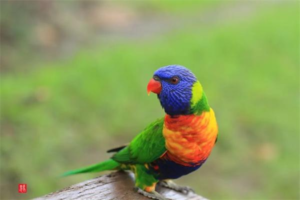
How to Clip a Parrot’s Flight Feathers Safely
Clipping a parrot's flight feathers lets it fly safely in a small space without escaping—protecting both bird and owner while preserving some flight ability. It is a skill that needs patience and practice to avoid injury. The key is to trim only the outer flight feathers (never the down feathers or blood-filled shafts), keep both wings symmetrical, and cut about half to two-thirds at a 90-degree angle. Done calmly on a relaxed, well-fed bird and finished with a gentle antiseptic, feather clipping is a safe, optional management tool.
Can Chinchillas Get Parasites?
A chinchilla's dense coat makes it hard for most parasites to reach the skin, but contact with infested pets or damp, unsanitary surroundings can still lead to mites, lice, or fleas. Keep the cage dry and clean, check the coat regularly, and see a vet if you spot itching or hair loss.

Signs Your Hamster’s Cage Is Too Small
A cramped cage leaves a hamster stressed and restless, and the signs range from chewing the bars and attempting escapes to unusual sleepiness and reduced activity. Because hamsters are naturally active, sudden quiet behavior is a red flag, not contentment. Give your pet a spacious enclosure with distinct areas for food, bathing sand, and a litter corner, plus an exercise wheel suited to its size.

What Is the Lowest Temperature a Chinchilla Can Tolerate?
A chinchilla can tolerate temperatures down to about 5°C (41°F) thanks to its dense fur, but sustained cold below that causes shivering, appetite loss, and even respiratory illness. Far more dangerous is heat—above 28°C (82°F) a chinchilla can overheat and suffer fatal heatstroke.

Signs of Pregnancy in Rabbits
Pregnant rabbits often grow quieter and lazier, eat and drink more, gain weight, and may turn protective or irritable; around days 10 to 15 they start nesting by digging, chewing, and gathering bedding. In the final stretch the mammary glands enlarge with pink areolae, and a vet can confirm pregnancy by ultrasound or palpation. House the doe calmly with enough space, and separate her from other rabbits to avoid fights.