Search Results
2370 results for “pet health”
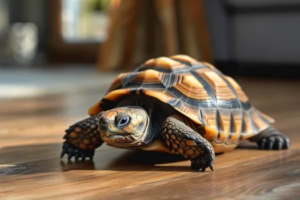
How to Tell If Your Turtle Is Sick
A sick turtle shows clear warning signs: sluggish reactions, sunken limbs, floating for long periods, swollen neck or legs, abnormal droppings, and shell rot. Watch your turtle daily so you can act early and avoid serious illness.

What Is Crude Ash in Dog Food
Crude ash is the inorganic residue left after dog food is burned off — an unavoidable byproduct used to judge quality. Lower is better, and it should stay at or below 10%. Check the label and avoid cheap, overly greasy, or preservative-heavy foods.

Why Is Your Dog Peeing Frequently
Frequent urination in dogs can be perfectly normal or a sign of illness. Puppies, marking behavior, heat, hot weather, and old age often explain it, while urinary infections, diabetes, and endocrine disease call for a vet visit.

Common Palatants in Cat Food
Safe natural palatants include animal liver, animal fats, brewer's yeast, and plant extracts (rosemary, citric acid, clove). Avoid controversial ones like pyrophosphates, monosodium glutamate, hydrolyzed animal protein, and artificial flavorings, which can cause pickiness or health issues over time.
How to Tell If a Cat Food Suits Your Cat
No food is 'best' — only 'right for your cat.' Watch appetite (boredom-eaters and frenzied gobblers both signal issues), stool (mild softness in week one is normal; past two weeks, or with vomiting and a sour smell, it's wrong), weight (too thin or over 10% gain), coat (dry, extra shedding), and signs like eye discharge, tears, bad breath, or chin acne. Try sample sizes first and switch over 7 days.
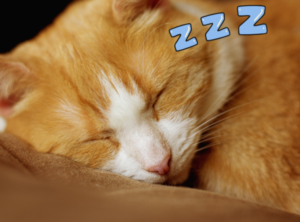
Is It Normal for a Cat to Sleep All Day?
It's normal for a healthy adult cat to sleep 15–20 hours a day (kittens and seniors even more). Most of that is light dozing — only 20–30% is deep sleep. If your cat wakes cheerful and eats normally, don't worry; but sudden lethargy with appetite loss, weight loss, fast breathing, or hiding needs a vet.
How Many Meals a Day Should a Cat Eat?
Cats evolved to eat small amounts often (wild cats hunt 10–20 times a day), so mimic that with frequent small meals. Kittens need 4–6 meals, adults 2–4, seniors 3–6; free-choice feeding risks obesity, while scheduled meals let you spot illness early. Pregnant or nursing cats and dieting cats need their own plans.
Why Won’t My Dog Go for Walks Anymore?
A dog that suddenly refuses walks is usually 'afraid' rather than 'lazy' — something on the route scares it, its paws or joints hurt, or it is stressed, anxious, or bored of the same path. Don't force it; rule out pain first, then rebuild confidence slowly with treats and short, positive outings.

Why a Schnauzer May Not Be the Right Dog for You
Schnauzers are clever, brave, and cheap to feed, but they are not as easy as they look: they bark when left alone or visited, they are smart yet stubborn, they have sensitive skin prone to allergies and infections, they carry hereditary risks like progressive retinal atrophy and intervertebral disc disease, and their long coats need regular grooming. New owners should think carefully.

What Germs Do Stray Dogs Commonly Carry?
Stray dogs live in harsh conditions and meet many pathogens, often carrying viruses with no outward signs because they haven't fallen ill. Rabies, leptospirosis, distemper, and parvovirus are common and often fatal, and some are zoonotic, transmissible to people. Rabies spreads through saliva, leptospirosis through contaminated water or soil, distemper through air and contact, and parvovirus through urine, feces, and saliva, especially deadly to puppies. Stray feces can also hold parasites and bacteria like mange mites, demodex, fungi, and echinococcus (hydatid disease). If you rescue a stray, wear gloves and a smock, and get a full vet check, blood, stool, and skin, before bringing it home, while keeping your own pets vaccinated.