Search Results
2370 results for “pet health”

What Causes Stress in Cats
Cat stress comes from many things: environment changes, lack of company, noise, broken routines, household conflict, and health issues. Keep the home stable and quiet, stick to a routine, respect its boundaries, and see a vet if urination, appetite, or vomiting problems appear.
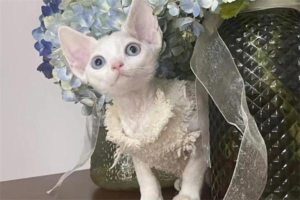
How to Relieve Stress in Cats
Too much stress harms a cat's body and mind and can even trigger illnesses like feline idiopathic cystitis. Give your cat a safe, stable, quiet home, play with it daily, offer toys, and keep its diet balanced to lower stress.
How to Help Your Cat Pass Hairballs — 5 Easy Ways
Preventive hairball care starts with cat grass or hairball tablets; if shedding is heavy or mild hairball symptoms appear, a hairball paste helps. Daily play with a wand or laser for 20–30 minutes also moves the gut and lets hair pass naturally.
Why Does My Cat Scratch When I Get Home?
When your cat scratches as you walk in, it is usually a happy greeting — a way to release the stress of being alone and to re-mark the territory with its own scent after you return carrying outside smells. It is a sign of love and trust, not rejection.
Black Stuff in Your Cat’s Ears — Is It Ear Mites?
Ear mites produce dry, crumbly, coffee-ground-like debris that returns a few days after cleaning, plus itching and a faint sour smell. But Malassezia yeast, bacterial infection, or plain earwax can look similar — so a vet's ear swab is the only sure way to know.
FVRCP Vaccine vs. Meow San Duo — What’s the Difference?
FVRCP is the vaccine class; Meow San Duo is one product in it — like 'fruit' vs 'apple.' FVRCP protects against panleukopenia (feline distemper), viral rhinotracheitis (cat flu), and calicivirus; any vaccine covering all three earns the name. Meow San Duo is the long-standing imported inactivated FVRCP, so many owners use the name for the whole class, but domestic options now exist. Vaccinate at a licensed clinic on schedule (kittens at 8, 12, 16 weeks, then boosters), deworm first, and watch for reactions; even indoor cats need it.

Is Free-Roaming the Right Choice for Your Cat?
Letting a cat roam freely satisfies its natural instincts and supports social and physical development, but it also exposes the cat to traffic, predators, toxins, and infectious diseases. Responsible owners should weigh these risks against the benefits and use safeguards such as safe collars, parasite prevention, and contained outdoor spaces.
Think Twice Before Getting a Corgi
The Corgi's short legs come from a cartilage-dysplasia gene — about 65% develop joint issues like patellar luxation or hip dysplasia, and their long back risks intervertebral disc disease, so limit stairs and jumping and control weight. They're herding dogs needing 1.5–2 hours of real exercise daily, shed heavily (daily brushing), and are smart but stubborn. Loving and long-lived (12–15 years), they suit owners ready for the commitment.
Why Is My Dog’s Tongue Turning Purple?
A healthy dog's tongue is light pink; a sudden purple (cyanotic) tongue means low blood oxygen from heart disease, lung disease, tracheal collapse, an airway obstruction, or toxins — and is an emergency. Watch for rapid breathing, low stamina, coughing, or lethargy. Also note pale (anemia) or bright red (heat/stress) tongues. Brachycephalic and toy breeds are highest risk; see a vet at once if the tongue goes purple.

How to Read (and Lift) a Cat’s Bad Mood
An unhappy cat may go quiet and hide, eat less, over-groom or stop grooming, urine-mark, or lose interest in toys. Cheer it up with company, brushing, treats, and praise; cut stressors and keep a calm routine; a plug-in pheromone diffuser helps. A cat mirrors your mood, so stay calm — and remember that lasting low mood can cause urinary blockage or weight loss.