Search Results
2129 results for “pet diet”
What are the symptoms of a dog’s gastroenteritis?
Typical signs are poor appetite, diarrhea, vomiting, belly discomfort, sometimes fever, bad breath, dry mouth, low spirits. It is common, often from indigestion, bacteria, or gut parasites. Prevent by strict diet control and a clean environment with regular cleaning and bathing.
Watery diarrhea the night before, yellow vomit this morning, eats and plays but less well, now sleepy, no stool all day
Yellow vomit and diarrhea may come from gut flora upset, parasites, or virus. If diarrhea stopped and vomiting is rare, try probiotics and small frequent bland meals, keeping the diet single. Observe 1-3 days; if vomiting or diarrhea continues, get fecal and infectious tests at a vet.
Always on mother’s milk, golden watery stool, cries, won’t nurse
A kitten with diarrhea that won't nurse can have acute enteritis from bacteria, virus, or parasites, or gut flora upset from intolerance. If it ate other food, stop it and try probiotics. Observe half a day; if still not eating, force-feed goat milk or glucose to avoid dehydration. If diet is fine, virus or parasites are likely, so see a vet.
My dog vomits repeatedly with twitching and head-lifting breathing
Repeated vomiting with twitching may be gastroenteritis, pancreatitis, or viral infection; if unvaccinated, check for coronavirus, distemper, or parvovirus. For simple gastroenteritis, use pet anti-inflammatory, anti-emetic, and probiotics, and keep the diet bland without greasy food.
After a food change my rabbit won’t eat and has soft stool, then after alfalfa still soft; now eye discharge, pointed stool, wheezing, sneezing
From your description, the rabbit's soft stool and eye discharge after a food change suggest it has not adapted to the new food; give probiotics and change diet gradually. Since it also sneezes, watch for food allergy or dusty, smelly food, and provide suitable food.

What Causes Diarrhea in Rabbits?
Left untreated, rabbit diarrhea can quickly cause dehydration and become life-threatening, so act fast. Common causes are bad diet, chilling, stress, and gut infections; fix diet and warmth for mild cases, and see a vet for illness or blood in the stool.

Why Does Your Dog Keep Passing Smelly Farts?
A dog that frequently passes foul-smelling gas usually has a digestive or dietary problem — poor kibble, too much meat, gas-producing foods, or a weak gut. Feed a quality diet, ease off rich food, and add a pet probiotic; if it persists, see a vet.

Guinea Pig Living Habits and Traits
Guinea pigs are timid, nocturnal, social rodents that sleep little and startle easily. They eat greens and veggies, need constant chewing to wear teeth, thrive in groups, and hate noise and cold — so keep them in a quiet, clean, stable environment.

Can a Parrot’s Diarrhea Heal on Its Own?
A parrot's diarrhea rarely clears up by itself, and fragile birds can decline fast, so do not wait. Causes range from diet and chilled gut to organ disease; mild cases respond to garlic water, probiotics, or careful oxytetracycline, but lethargy with appetite loss needs a vet.
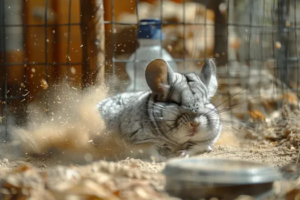
Why Is Your Guinea Pig Not Eating? (And What to Do)
A guinea pig that stops eating usually has overgrown teeth, indigestion, or illness. Trim or file long teeth, ease digestion with a small-pet digestive aid and rest, and if diarrhea, drowsiness, or vomiting appear, see a vet promptly.