Search Results
2129 results for “pet diet”

Gastroenteritis in Dogs and Cats: Types, Symptoms & Medication
Gastroenteritis in dogs and cats spans gastritis (acute/chronic) and enteritis (viral, bacterial, parasitic). This guide covers causes, symptoms, and the medication approach—anti-inflammatories, anti-vomiting, anti-diarrhea, dewormers, probiotics—plus prevention.
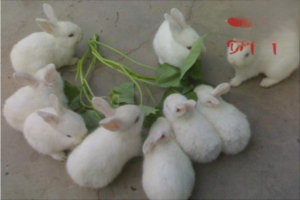
Causes and Symptoms of Constipation in Rabbits
Rabbit constipation shows as reduced appetite, hard dry droppings, a swollen tender belly, and stopped defecation. Causes include poor diet, low water, little exercise, and anal disease; treatment is food withdrawal, water, enema, and oils.

What to Do About Rabbit Constipation
Rabbit constipation often comes from dry food, low water, or too little fiber and exercise. Relieve it with diet changes, probiotics, outdoor exercise, and hairball remedies to keep the gut moving.

Why Is Your Rabbit Not Eating? Common Causes
A rabbit that stops eating can signal seasonal boredom, a sudden food change, breeding period, bloating, or pregnancy. This article lists the main causes and the practical responses for each.

Feline Rhinotracheitis (Cat Flu): Symptoms and Treatment
Feline rhinotracheitis, also called infectious rhinotracheitis, is a highly contagious herpesvirus infection causing fever, sneezing, eye discharge, and sometimes death—especially in kittens. This article covers its causes, symptoms, medication-based treatment, and vaccine prevention.

Symptoms and Treatment of Seizures (Epilepsy) in Cats and Dogs
Epilepsy is a central nervous system disorder where overactive brain neurons cause abnormal function and seizures—convulsions, loss of consciousness, behavior changes. It is intermittent with many causes; treatment aims to reduce seizure frequency. This article covers types, symptoms, and management.

Symptoms and Treatment of Rabbit Ear Mange
Rabbit ear mange is a highly contagious skin disease caused by mite infestation, usually the result of poor hygiene. Infected rabbits scratch their ears constantly and shake their head, and may also show lethargy, restlessness, and loss of appetite; if left untreated the infection can spread and become life-threatening.

Common Causes of Shedding in Cats and Dogs and How to Relieve It with Medication
Shedding in pets is common, but excessive or abnormal hair loss usually signals an underlying problem—seasonal coat change, parasites, fungal infection, poor nutrition, allergies, hormonal imbalance, over-bathing, or stress. This article covers the causes and the medications that help.

Cat Asthma: Symptoms and Care Tips
Cat asthma is a chronic allergic condition whose hallmark is constant wheezing, often with a cough. Because signs often vanish at the clinic, the owner's observations matter. Learn the symptoms, causes, and daily care for a cat with asthma.

What to Do When a Small Dog Has a Hypoglycemic Shock
Puppies and small dogs are especially prone to low blood sugar, particularly as the weather turns cool — shock, seizures, dropping temperature, and drooling can follow. Keep a small dog warm and know the first aid. Learn prevention and emergency care.