Search Results
2129 results for “pet diet”

How to Prevent and Treat Canine Coronavirus
There is no specific vaccine-free shortcut — good diet management and a clean home are the real prevention. Treatment is symptomatic: oral rehydration, IV fluids, and correcting dehydration. Learn the details.

Pathological Changes of Canine Coronavirus
The younger and weaker the dog, the worse canine coronavirus hits — puppies can die while adults stay mild. Learn how the infection shows up in the body, how it is diagnosed, and how to treat and prevent it.

Why Are Puppies Prone to Low Blood Sugar?
Puppies are the most likely dogs to develop hypoglycemia, and diet is the main reason. Learn why they are at risk, the signs to watch, and how to respond and feed them well.
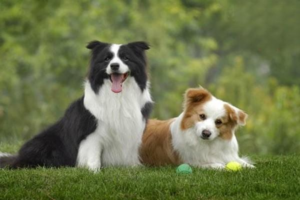
Precautions for Dog Hypoglycemia
Dogs get low blood sugar much like people, and it is not rare — but with prompt care they usually recover fast. Know the symptoms so you can act in time. Learn the causes, signs, and treatment of canine hypoglycemia.

What Medicine Helps a Dog With Acute Gastroenteritis?
Acute gastroenteritis in dogs shows up as poor appetite, vomiting, and diarrhea, with many possible triggers. Learn its symptoms, causes, and the care and medicine that help a dog recover.
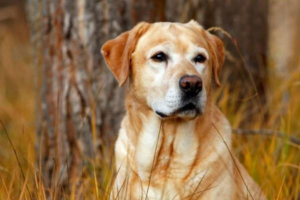
Why Dogs Need Oral Care
Oral care matters for pets and people alike. Without regular dental checks and cleaning, pets develop oral disease that can affect overall health and even lead to kidney and digestive problems. Common issues include tartar, gingivitis, periodontal disease, and cavities, all preventable through diet, brushing, and professional cleaning.

Why Does a Dog’s Body Smell Bad?
A dog's odor mostly comes from sebaceous and apocrine glands whose secretions are broken down by microbes, worse in summer. Bad breath from poor dental care and unventilated ears in floppy breeds like Poodles, Goldens, and Labs are other common sources. Regular cleaning of ears, teeth, and coat, plus diet adjustment, controls the smell.

Is It Normal for a Neutered Male Cat to Sleep a Lot?
After neutering, hormone changes can make a cat sleepy, tame, and inactive. Sleepiness right after surgery is usually the anesthetic wearing off, up to 24 hours, and needs no worry; longer lethargy from hormones means controlling diet to two-thirds of pre-op portions and adding play. Watch the wound, diet, rest, and avoid baths for two weeks.

Rabbit ‘Big Belly’ Disease (Enteritis/Bloat): Causes & Care
Rabbit 'big belly' disease is a fast, often fatal gut illness from mixed E. coli/coccidia infection, viral diarrhea, or low fiber. This guide covers its signs, prevention (clean feed, grass), and treatment (fasting, gentamicin, probiotics).

Arthritis in Dogs and Cats: Symptoms, Medication & Care
Arthritis in pets brings red, swollen, painful joints and can end in deformity or paralysis. This guide covers causes, joint supplements (chondroitin, calcium, meloxicam), and prevention through a dry, warm environment, diet, and moderate exercise.