Search Results
2124 results for “pet diet”

Schnauzer With Bumps and Scabs on the Skin
Bumps and scabs on a Schnauzer's skin usually point to a parasite problem or a fungal or bacterial infection. Small affected areas can often be managed at home with gentle cleaning and a vet-recommended spray, but widespread or worsening lesions need a vet visit.

What to Do When a Puppy Has Pus-Like Eye Discharge
Pus-like eye discharge in a puppy can mean a bacterial eye infection, dehydration from gut or systemic illness, or simply a diet too rich and salty. Match the cause to the treatment: gentle food and vitamins for dietary heat, antibiotic eye drops for infection, and prompt vet care for underlying disease or eyelid problems.
Why Your Dog Keeps Vomiting Yellow Foamy Fluid
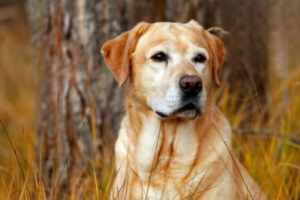
A dog that repeatedly throws up yellow, foamy fluid usually has poor gut motility from dehydration, irregular feeding, or a bad environment, or it ate too fast, human food, or additive-heavy items that strain the liver and pancreas. Parasites and gastritis (acute or chronic) are other causes; watch energy and appetite, and use a probiotic plus bland food for gastritis.

Why Is Your Dog Vomiting White Foam and Mucus?
White foam and mucus in vomit usually mean excess stomach acid from acute gastritis, indigestible food, or parasites. Start with an 8-hour fast from food and water; if vomiting and diarrhea continue, see a vet. Switch to a bland diet with probiotics, and check the stool for parasite eggs.

Can a Dog’s Vomiting and Diarrhea Heal on Their Own?
Vomiting and diarrhea in dogs usually trace to diet (human treats like chocolate or milk), a chill, or parasites — and most mild cases improve with probiotics, warmth, and deworming. A new-environment stress reaction calms with a one-day fast; persistent or parasite-driven cases need a vet.

How to Treat Red Bumps on a Labrador
Red bumps on a Labrador usually come from mites, fungal infection, vitamin deficiency, or poor coat care — not random, and good hygiene prevents most. Treat the specific cause, feed a bland diet, keep the dog cool and the environment disinfected, and see a vet for widespread bumps.

Why Your Dog Won’t Eat and What to Do
A dog skipping meals is often harmless — teething, heat, or pregnancy can suppress appetite temporarily — but it can also signal illness, picky behavior from too many treats, or gastritis from eating plants. Fix the feeding routine, offer tasty nutritious food, and see a vet when sickness is the cause.

Early Signs of Cat Rhinotracheitis (Feline Herpesvirus)
Cat rhinotracheitis, caused by feline herpesvirus-1, is a highly contagious respiratory infection that spreads quickly between cats. Early signs look a lot like a cold — watery eyes, sneezing, nasal discharge, low energy, and poor appetite — but left untreated it can turn serious and even fatal. Isolating a sick cat and seeing a vet promptly are the most important first steps.

What Causes Fungal Infections in Dogs
Fungal skin infections in dogs are driven by damp living conditions, poor bathing habits, and weak immunity from a limited diet. Spotting the ring-like patches early, applying antifungal care, and isolating the dog keep the infection from spreading to other pets and people.

Why Your Dog Can’t Open Its Eyes
A dog that won't open its eyes is usually dealing with conjunctivitis, irritation, or a trapped foreign object. Gently cleaning the eye, using vet-approved drops, and trimming stray lashes clears most mild cases, but yellow-green discharge with fever needs a vet visit.