Search Results
2124 results for “pet diet”

Post-Surgery Recovery Care for Your Dog
After an operation a dog is fragile and needs careful nutrition, soft easy meals, and real rest. A recovery supplement, balanced food, and limited activity help the incision heal and the dog bounce back.

Helping Your Dog Through a Safe Pregnancy
A pregnant dog needs extra calcium, quiet, gentle exercise, careful handling, and measured nutrition. Meeting these five needs helps the pups grow and keeps the mother steady through to a smooth delivery.
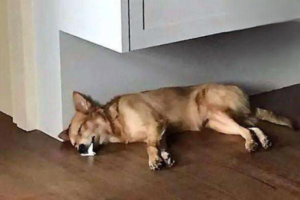
Dog Won’t Eat and Vomits White Foam or Mucus
When a dog refuses food and brings up white foam or clear mucus, the cause can range from simple overeating to a more serious problem. The dog's energy level is the quickest clue: a bright, active dog can be watched at home, while a dull or worsening one needs a vet.

When Do Ragdoll Cats Shed the Most?
Ragdolls shed most heavily in the cooler months, especially from September to November, as part of normal seasonal shedding. Regular coat care, added dietary oils, and consistent home cleaning keep loose fur under control.

Why Your Dog’s Calcium Supplements Aren’t Working
Calcium fails to help when the body cannot absorb or convert it, often because of poor gut health or a one-sided diet. Fix digestion first with a probiotic if needed, ensure vitamin D and sunlight for absorption, and feed a balanced diet rather than relying on pills alone.

Kitten Has Diarrhea, Won’t Eat, and Is Lethargic
Diarrhea with no appetite and low energy in a kitten usually means a diet switch, gastritis, or worms. A probiotic and easy food help mild cases; severe ones need a fasting period and a vet. Find the cause before treating, and deworm every three months.

How to Clear Cat Ear Mites Quickly
Ear mites spread cat-to-cat and thrive in unclean, damp ears. Clear them with daily ear cleaning plus a topical dewormer, support the cat's nutrition, and disinfect the home. Consistency — not one-off treatment — is what works.

Symptoms of Ear Mites in Cats
Ear mites cause relentless ear scratching, head shaking, and dark brown debris in the canal; untreated they invite bacterial infection and otitis. Clean the ears daily with a pet ear solution, deworm regularly, and keep the environment disinfected.

Why Your Cat Has Diarrhea After Deworming
Mild diarrhea after deworming is common — usually dead parasites irritating the gut or a sensitive stomach — and settles in 2–3 days. Keep the cat hydrated, add a probiotic, and see a vet if soft stool lasts beyond three days. Dose strictly by weight.

How Many Days Can a Cat Survive Without Eating?
A cat can last about a week without food; beyond that, weakness and organ failure set in, and the risk of fatal fatty liver rises sharply after three days. Boredom with food, sudden diet swaps, stress, or illness cause refusal — offer small frequent meals and vet care if sick.