Search Results
2124 results for “pet diet”

Why Is Your Poodle Suddenly Limping?
A Poodle that suddenly limps may have a sprain or strain from play, a fracture, a paw pierced by a foreign object, a joint problem such as hip dysplasia or arthritis, a nerve issue like a slipped disc or neuritis, or a diet so one-sided it lacks vitamins and minerals, weakening the joints and leg muscles. Because Poodles have fine bones and lively temperaments, injuries are common. Rest and a gentle check come first; if the limp persists or worsens, get an X-ray and targeted veterinary treatment.

What to Do When Your Dog’s Joint Is Swollen
A swollen joint in a dog can come from an injury, arthritis, or calcium deficiency, and the right response depends on the cause. Gently pressing the swollen area tells you whether it is painful; pain or refusal to be touched points to a joint problem. Injuries usually settle in a few days with topical treatment, while arthritis needs a veterinarian's diagnosis and long-term care with anti-inflammatory pain relief, weight control, and adjusted exercise. Severe arthritis may require surgery. Keeping the diet balanced helps prevent calcium-related swelling.
Early Warning Signs of Heart Disease in Dogs
Heart disease isn’t only an old-dog problem—clinics see four- and five-year-olds, even two-year-olds, with valve disease or myocardial hypertrophy, especially in small breeds like Toy Poodles and Pomeranians. Early on there are almost no symptoms; by the time coughing, fainting, or a purple tongue appears, the disease is usually advanced. Under the ACVIM staging system, Stage B1 is the “golden window” most owners miss: subtle structural changes with no heart failure yet, showing only quiet behavioral shifts like less activity or a changed sleeping posture. Catching it then—often without medication—can keep a dog stable for life. This article outlines the staging, the early behavioral signs, and the daily care that protects a vulnerable heart.
What to Know When Your Hamster Is Giving Birth
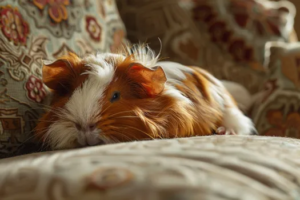
Breeding hamsters is easy, but the birth itself needs care. Keep the room at 20 to 25°C with 40 to 60 percent humidity; extremes or big temperature swings can stall labor or kill pups. Use a roomy, well-ventilated breeding box with platforms to climb and plenty of bedding, and because hamsters are solitary, move the male out right after pairing and pregnancy to prevent fights, injury, and miscarriage. The mother needs balanced nutrition, protein, fat, minerals, and vitamins, plus breeding feed or extras like mealworms, dried fruit, vegetables, and nuts, with fresh water always available. Watch the mother for poor appetite or weight loss and the pups for slow growth. Seek a vet for dystocia (water broken but no delivery, or a pup stuck partly out), nursing trouble, or postpartum infection shown by fever, diarrhea, or vomiting. A controlled environment, good food, and close observation keep the birth safe.

Why Your Cat Has a Pimple or Abscess on the Chin
A lump or pus-filled bump on a cat's chin can come from parasites, bacterial infection, heat, folliculitis, a salivary-gland cyst, or an insect sting or small wound. Figuring out the exact cause guides the right treatment. Bacterial bumps are usually drained and then cleaned and disinfected, while parasitic and bacterial causes are best prevented with regular deworming and good dental care. Keeping your cat's diet light and its mouth clean lowers the risk. See a veterinarian if the swelling is large, soft, or shows signs of a cyst or allergic reaction.
How to Feed a Budgerigar at Every Life Stage
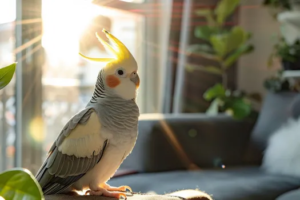
Budgerigars are social, intelligent birds, but their care changes with age. Chicks are the most fragile stage and need frequent hand-feeding with a quality parrot formula and parrot hand-feeding powder, offered in small amounts every few hours around the clock. Adults need a varied diet of grains, vegetables, fruit, and seeds plus a protein boost from boiled egg, formulated protein feed, mealworms, or beans. Through every stage, keep the cage at a comfortable 20-25 C, maintain clean food and water dishes, and allow safe supervised flight time. With the right food and routine, a budgie stays active and healthy.
What to Do When You Bring Home a Found Kitten
Finding a stray kitten is tempting to take home right away, but the right sequence protects both the kitten and your household. Because strays can carry parasites, panleukopenia, or ringworm—some transmissible to other pets and people—the first step is a veterinary check-up before the kitten enters your home; treat any illness in the clinic first if needed. At home, set up a quiet, enclosed room with a litter box, water, and food so the kitten feels safe, and avoid bathing it, which can trigger stress and illness. Ease the diet in with plain food and probiotics rather than rich treats. If you have resident cats, isolate the newcomer for 7–15 days, then slowly mix scents before supervised meetings. Finally, deworm and vaccinate (FVRCP and rabies) after a short settling period.

How Much Feed Does a Guinea Pig Need Per Day?
A guinea pig needs about 5–7% of its body weight in food daily—so a typical 300 g guinea pig eats roughly 15–21 g. Adjust for activity, age, and health, since youngsters need more for growth. Base the diet on dry foods—hay and pellets—because too much moisture causes diarrhea; add small amounts of guinea-pig-safe vegetables and fruit for vitamins, and a vitamin C supplement, since they can't make their own. Variety and freshness keep the diet balanced and the pet thriving.

Is a Shiba Inu Suitable for City Living?
On the whole, the Shiba Inu fits city life well. A small-to-medium breed, it needs modest space and is friendly, gentle, and quietly confident—happy in an apartment. Its exercise needs are light: a daily walk or some play covers it. Diet and coat care are simple, and its short, dense fur needs only regular brushing and baths. Just give it daily outdoor time, train it not to bark so neighbors aren't disturbed, and it thrives in the city.

Are Teacup Dogs Easy to Care For?
Teacup dogs win fans with their tiny, cute looks and gentle nature, but they're fragile and low-immunity, so they need careful, attentive care. They're sensitive to temperature, so dress them warmly in cold weather, and keep up daily grooming—eye-stain cleaning and coat brushing—to stay clean. Feed a high-quality diet sized to them in controlled amounts to avoid obesity. Though small, their health needs are real: regular vet checks, vaccinations, and deworming are essential. With patience and the right know-how, they bring plenty of joy.