Search Results
2124 results for “pet diet”

Why Does Your Dog Have More Dandruff
Increased dandruff in dogs has many possible causes: dry climate, over-bathing or harsh products, low fat intake, poor nutrition, too much dietary salt, or an underlying skin condition. The right response depends on the trigger. In dry weather, add water and a soothing moisturizer; with a skin disease, a proper diagnosis and treatment are needed. Because the skin reflects overall health, identifying the root cause is the key to relieving flaky, itchy skin and keeping the coat healthy.

Can a Dog’s Chill-Induced Vomiting Heal on Its Own?
When temperatures drop, some dogs still nap on cold floors or drink icy water, irritating their stomachs and triggering vomiting. Whether this resolves on its own depends on the cause. Mild vomiting from a chill often settles within a short time, but persistent or worsening signs—diarrhea, fever, appetite loss—point to conditions like gastritis, infection, parasites, or pancreatitis that need a vet. This guide explains when to wait and how to care for your dog at home, including warmth, a bland diet, probiotics, and close monitoring—while stressing that human medication should never be given to dogs.

How to Treat Hair Loss Behind a Hamster’s Ears
Hair loss behind a hamster's ears can come from allergies, bacterial infection, or parasites. Trim the fur around the spot, rinse it with saline, pat dry, and apply a small-pet skin cream or antibiotic ointment, watching for 3 to 5 days. If it does not improve, see a vet. Keep the cage clean and disinfect it often, and add vitamins and protein to aid recovery.

Boiled Meat, Raw Food, or Kibble: Feeding Your Cat or Dog Wisely
Many owners cook plain boiled meat for their pets, thinking it is cheaper or safer than commercial food. But domestication has shifted companion cats and dogs away from strict carnivores, and feeding only boiled meat long term risks calcium-phosphorus imbalance and kidney strain. This guide explains how to balance a home-cooked diet for dogs and cats, why boiled meat beats raw for most homes, and how commercial kibble fits in. The takeaway: boiled meat is fine, but only when fed as part of a balanced, well-planned diet.

Caring for Senior Cats and Dogs: A Stage-by-Stage Longevity Plan
Cats and dogs are considered senior at around age 7, when metabolism slows and organ function begins to decline. With staged, careful care, companion pets can live an average of 2–3 years longer. This guide breaks senior care into three phases—ages 7–9, 10–12, and 13 and up—covering diet adjustments, weight control, dental and joint support, stress avoidance, and a sensible checkup schedule. The goal is not expensive supplements but steady, calm, well-planned daily care.
Cat and Dog Tear Stains: Understanding the Causes and Managing Them at Home
Tear stains are a common frustration for owners of flat-faced breeds and many other cats and dogs. They are rarely a single mystery illness; instead they usually trace back to blocked tear ducts, ear problems, allergies, or diet. The right fix depends entirely on the underlying cause. This guide walks through the main reasons pets develop reddish-brown staining, what each pattern looks like, and the at-home steps—gentle cleaning, ear checks, allergy control, and diet tweaks—that keep stains from returning. Knowing the cause is the first step to clearer, healthier eyes.

What to Do When Your Rabbit Keeps Sneezing
Rabbits have sensitive noses, so frequent sneezing can signal anything from a mild allergy to a respiratory infection. Common triggers include pollen and dust allergies, poor diet, colds caught in damp or cold environments, and sinusitis. If your rabbit sneezes occasionally with no other signs, it is usually nothing to worry about. But if sneezing is frequent or paired with discharge, coughing, or red eyes, you should improve the living environment, adjust the diet, identify and remove allergens, and seek a veterinarian's advice. This guide walks through the likely causes and the practical steps you can take at home before a clinic visit becomes necessary.
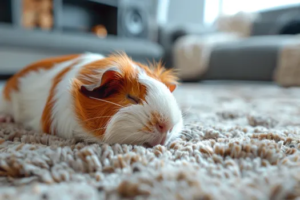
Common Illnesses in Golden Hamsters
Golden hamsters commonly face skin allergies, colds, diarrhea, constipation, and eye trouble such as conjunctivitis, mostly linked to diet and environment. To lower the risk, manage food and housing carefully, keep nutrition complete and safe, and maintain a clean, dry habitat.

Can Obesity Cause Fatty Liver in Cats?
Overweight cats are at higher risk of fatty liver, because excess fat around the liver can move into it. Fat cats also more often have diabetes and pancreatitis, which can lead to fatty liver, and prolonged starvation is another common cause. Symptoms include anorexia, weight loss, vomiting, and jaundice, and severe cases can be fatal, so prevention matters.

Goodbye Dog Smell: How to Cut Summer Odor
A dog's stronger summer smell comes from more active sebaceous glands plus humid air that speeds surface bacteria. The common "wash more when it stinks" reflex is wrong, frequent baths break the skin's oil barrier and make odor worse. Bathe every 2-3 weeks (short hair) or 1-2 weeks (long hair or active dogs), focusing on paws, groin, ears, and anal glands, using a pet shampoo with tea tree or rosemary. Brush teeth 2-3 times a week, give dental chews every few days, clean ears, feed quality protein with veggies, and wash the bed and toys while keeping the room aired. A sudden strong smell with red skin or hair loss needs a vet.