Search Results
2129 results for “pet diet”

Why an Alaskan Malamute’s Ears Won’t Stand Up, and What to Do
A Malamute's ears should stand by about 4 months. If they stay down, the usual causes are ear mites (causing vestibular signs like a head tilt), calcium deficiency (poor cartilage/bone growth), or a hereditary 'soft ear' that can't be cured and shouldn't be bred. Treat mites with ear cleaner and a miticide, fix calcium with diet and sunshine, and you can also brace the ear with foam and lash glue for about two months.
How to Keep Rabbits Cool in Summer
Rabbits do best at 15–20°C and can die of heatstroke above that. In summer, keep water bowls/bottles filled, clip long-haired breeds short (not shaved), move cages to a breezy shady spot, dab the ears with water to cool them, and offer watery fruit and vegetables in moderation. Never aim a fan or AC directly at a rabbit — it causes colds, not cooling.
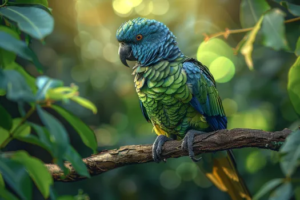
When Do Budgerigars Molt, and What Are the Signs
Budgerigars typically molt in June–August for 2–3 months and again about four months later to grow winter down. Signs include frequent feather loss, poorer appetite with some weight loss, and moody, sensitive behavior. Because molting birds are fragile and parasite-prone, feed a varied balanced diet and deworm if you see red, scabby skin or feather-pecking.

What Season Is Best for Breeding Rabbits
Spring and autumn are the best breeding seasons — warm, dry, and bright, with high conception and kit-survival rates. Avoid breeding above 30°C in summer or without heating in winter. Choose quality stock, feed a balanced diet with carrots pre-breeding, give exercise and light, and time mating to bright-red vulva estrus using repeat mating.

How Long Do Holland Lop Rabbits Live? (And How to Care for Them)
Holland Lops are loved for their small size and cute looks, but they live shorter than average rabbits—usually 5–7 years. Good care (free roam, proper diet, health checks, clean housing) can extend that toward 10–12 years.

What to Do When Your Chinchilla Is Constipated
Chinchillas are herbivores but can get constipated from poor diet or too little exercise. This guide covers the symptoms, causes and fixes—diet adjustment, exercise, gentle massage—plus prevention via high-fiber hay and hair-ball control.

Why Is Your Cat a Picky Eater? (And How to Fix It)
Wrong feeding—too many treats or one food only—plus additives in kibble cause pickiness. This guide explains the causes and how to prevent and correct fussy eating.

How to Tell If Your Chinchilla Is Sick
Chinchillas are subtle when unwell, so early signs are easy to miss. This guide shows what to check—eyes, anus, droppings, coat, teeth—and lists common illnesses (cold, heatstroke, enteritis, dental) with symptoms.
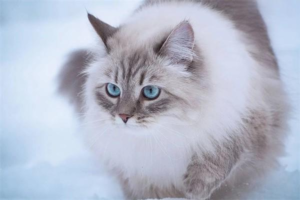
What to Feed a Constipated Cat for Fast Relief
Mild cat constipation can often be eased at home with dietary fiber and gentle laxatives, but a cat that hasn't defecated for more than three days needs veterinary attention. This guide covers safe home remedies for mild cases and the medications to use when constipation becomes severe.

Signs of Cat Constipation and Home Care
A cat that hasn't defecated in over three days is likely constipated, but hard stools alone aren't always the cause. Learn the key warning signs — straining and crying, watery stool, lethargy, pain, and a sensitive abdomen — and the gentle home remedies that help mild cases.