Search Results
79 results for “pet bird”

Symptoms and Treatment of One-Eye Cold in Parrots
One-eye cold is a common contagious eye condition in parrots, marked by swollen conjunctiva, watery discharge, lethargy, reduced appetite, and weakness, with respiratory signs in severe cases. If you notice these symptoms, take them seriously and treat promptly. Care begins with isolating the sick bird and disinfecting the cage, then gently cleaning the eye and applying bird-specific drops such as bird-specific eye drops or human erythromycin ointment—treating both eyes even if only one is infected. Serious cases need antibiotics under a vet's guidance. Daily hygiene, clean food and water, and regular check-ups are the best prevention.
How Long Do Monk Parakeets Live?
The monk parakeet, also called the Quaker parrot, is a popular medium-sized parrot that typically lives 15–20 years, and with good care some reach 25. Actual lifespan depends on diet, environment, genetics, and regular health checks. To help your bird live long and well, provide balanced food and fresh water, ample room to move, a calm and clean home away from harsh noise and light, and routine veterinary visits to catch illness early. Choosing a slightly older, sturdier young bird and meeting its daily needs are the best ways to support a healthy, lengthy life.
Symptoms and Treatment of Parasites in Dogs
Parasites are a leading threat to dog health and come in internal and external forms with different signs. Internal parasites cause diarrhea, vomiting, cough, bigger appetite, weight loss, dry coat, red skin spots, pale gums, and lethargy. Some parasites already live in the home, so even indoor dogs are at risk. Fleas, lice, roundworms, and tapeworms each have their own life cycle and route into the dog. External parasites are zoonotic and cause allergic dermatitis and anemia; internal ones cause poor digestion and can block the gut. Prevention and treatment rely on regular, broad-spectrum parasite control for both inside and out.
Lice on Cats and Dogs: Symptoms, Risks, and Treatment
Lice peak in winter, especially in January, when thick coats let them breed undisturbed. They strike young, stray, and undernourished pets, causing itching, restlessness, hair loss, and in heavy infestations anemia and weakness. Two main types live on pets: blood-feeding sucking lice and coat-chewing lice, each with its own species on dogs and cats. Lice are host-specific and do not infect people, though fleas from pets can. This guide covers the types, the harm they do, how they are diagnosed, and how to treat and prevent them.

3 Places to Search When Your Dog Goes Missing
If your dog goes missing, act fast: print a poster that includes the line 'a reward is offered for safe return'—thieves rarely dare demand ransom openly and risk police trouble, so this works. First, check the local flower-bird-fish-insect market, the top spot for trading suspicious dogs. Second, if your dog is a popular breed, visit nearby dog markets within 24 hours and post notices, since sellers avoid the public markets. Third, review surveillance footage: go to the police station (bring a calm companion, stay polite—officers are busy but will help), and ask neighboring shops for their cameras. If all else fails, mobilize WeChat and Weibo, and remember most lost dogs are resold rather than ending up as meat, usually through backyard breeders rather than reputable kennels.

What to Do If Your Dog or Cat Has Tapeworms
Many species of tapeworms parasitize dogs and cats, and the adult worms seriously harm their health, while the larval stages often use livestock or humans as intermediate hosts, threatening both animals and people. Common species include Dipylidium caninum, Taenia spp., Echinococcus granulosus, Mesocestoides, Spirometra mansoni, and Diphyllobothrium. Infection causes intestinal inflammation, malnutrition, and in severe cases intestinal blockage, with signs like vomiting, diarrhea, weight loss, and odd behavior. Diagnosis relies on clinical signs plus fecal egg exams. Prevention means regular deworming, not feeding raw offal, and controlling fleas. Treatment uses praziquantel (5 mg/kg dogs, 2 mg/kg cats), arecoline hydrobromide, bunamidine, or fenbendazole under veterinary guidance. Because some tapeworms (like Echinococcus) also endanger human health, prompt and correct control matters.
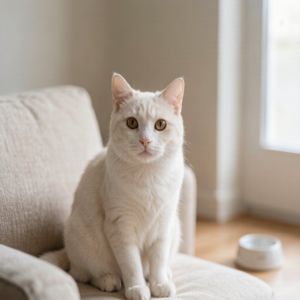
Why Is Your Parrot Refusing to Eat
A parrot that stops eating may be reacting to a new environment, disliking bland or single-note food, feeling stressed or anxious, or being ill. Most adjust to a new home within two to three days; illness brings lethargy, ruffled feathers, vomiting, or long appetite loss and needs a vet. Offer balanced species-specific feed with fruit, vegetables, and grains, give social interaction, and keep the cage clean, warm, and sunny.
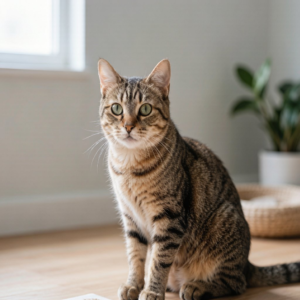
What to Do If Your Cat Has Tapeworms
Tapeworms cause belly discomfort, diarrhea, vomiting, weight loss, dull coat, and shedding; heavy infections shed visible segments near the anus, making the cat scoot or lick. Cats catch them by eating infected fleas, mice, or birds, through mother's milk, or from a contaminated environment. Treatment is a dewormer with praziquantel, fenbendazole, or albendazole plus probiotics, and strict flea control plus regular deworming prevents reinfection.

Black Mamba
Africa's 'death serpent' - one of the fastest, most venomous snakes on Earth (neurotoxic). This profile is educational only; it is not and must never be a pet.

Indo-Chinese Rat Snake (Grey Rat Snake)
A wide-ranging, fast, non-venomous rat snake - the 'over-tree dragon' snake of southern China. Docile and a good pet, it may drop its tail when grabbed.