Search Results
86 results for “persistent diarrhea”
Has not eaten for two or three days, keeps sleeping and will not get up, passes yellow water and is incontinent.
Yellow watery stool, lethargy and no eating may be feline distemper, parasites, poisoning or gastroenteritis; take the cat to the hospital for fluids promptly. The cat is critically dehydrated and incontinent, and without electrolyte fluids it may suffer organ failure or death.
What happens if a dog eats spicy chicken?
Spicy chicken irritates the gut, causing diarrhea, pain, vomiting, even acute gastroenteritis and death from dehydration. Give probiotics; see a vet if severe. Avoid spicy foods.
What Are the Symptoms of Parvovirus (Parvo) in Dogs?
Canine parvovirus presents in two forms — enteric and myocardial. The enteric form starts with lethargy, poor appetite, drowsiness, and fever, then progresses to soft stools, diarrhea, and vomiting with foul-smelling, soy-sauce- or rotten-tomato-colored watery stool. The myocardial form often shows no warning signs and can be fatal within hours.
Why Does Your Dog Fart So Much?
All mammals pass gas - it is normal. But frequent, smelly farts can signal declining health. Seven common causes: overeating treats or cold drinks causing indigestion; too little exercise slowing the gut; eating too fast swallowing air; abrupt diet changes upsetting gut bacteria; excess meat protein fermented into amines (the real stink source); gas-producing foods like ginger, garlic, sweet potato and potato; and poor constitution where fermentation finishes too fast. Most are fixed by portion control, exercise, slow feeding and gradual diet changes.

Eosinophilic Gastroenteritis in Dogs and Cats
Eosinophilic gastroenteritis is a severe chronic inflammation of the stomach and intestines caused by infiltration with eosinophils, a type of white blood cell. It is often linked to allergy and is marked by persistent vomiting, diarrhea, weight loss, and a high eosinophil count in the blood.

Canine and Feline Amoebiasis: Symptoms, Treatment, and Prevention
Amoebiasis is a zoonotic protozoal disease caused by Entamoeba histolytica inhabiting the large intestine, marked by stubborn diarrhea. Dogs have lower incidence, and it is treated with antiprotozoal drugs and fluid support.
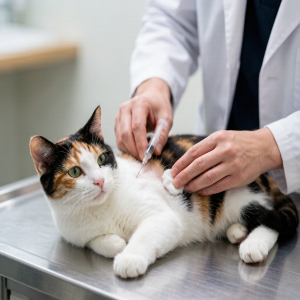
Feline Leukemia: Symptoms and Treatment
Feline AIDS and feline leukemia are topics owners avoid; clinically similar yet different. There is a separate article on feline AIDS for those interested.
Why Is My Rabbit Suddenly Limp All Over?
A limp rabbit may be from calcium deficiency, low blood sugar, low energy intake, or cold/hard-to-digest food. Tell normal rest (jumps up when called) from pathology (slow, won't move or eat). Hypoglycemia needs warming and syringe-fed glucose water, then a vet. Feed on schedule with hay and pellets, and see a vet for persistent limpness or dry stool.
Common Signs That a Cat Is Unwell
Cats hide illness, but a sick cat shows lethargy, unusual cries, a dry hot nose, low appetite, a runny nose, or vomiting and diarrhea. A hairball vomit with normal spirits is fine; persistent vomiting/diarrhea with lethargy needs a vet. Check carefully and seek help if the cause is unclear.
What Happens If a Dog Eats Very Spicy Food?
Spicy food can cause GI discomfort--vomiting, diarrhea, abdominal pain. Capsaicin irritates mouth, throat, gut, causing pain. Avoid spicy food. If eaten, give water and other food, watch symptoms; if severe or persistent, see a vet.