Search Results
53 results for “persistent diarrhea”
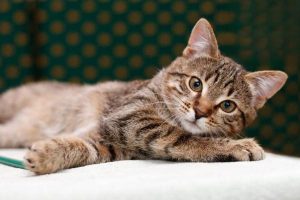
Cat Has Smelly Yellow Diarrhea but Still Acts Normal
Smelly yellow diarrhea with normal energy usually points to diet—spoiled food, too-hard kibble, or toxins. Stress, overfeeding and chills also trigger it. Fast half a day, use a probiotic and keep the cat warm; persistent or toxic cases need a vet.

What to Do When Switching Dog Food Causes Diarrhea
If a food change triggers diarrhea, stop the switch immediately — most cases come from an abrupt transition rather than the new food itself. A 7-day mix-in transition lets the gut adjust gradually and prevents the upset.
Chronic Enteritis in Dogs and Cats
Chronic enteritis is a long-standing inflammation of the intestinal lining that leads to persistent diarrhea, poor nutrient absorption, and weight loss in dogs and cats. Causes range from infections and parasites to food allergies and immune-mediated disease; management combines dietary change with ongoing medical support.
Why does my cat have a dirty rear end?
A dirty rear without tearing or prolapse is usually from diarrhea. Clean the area and find the underlying cause of the abnormal defecation to prevent persistent diarrhea from causing anal prolapse.
What Are the Symptoms of Parvovirus (Parvo) in Dogs?
Canine parvovirus presents in two forms — enteric and myocardial. The enteric form starts with lethargy, poor appetite, drowsiness, and fever, then progresses to soft stools, diarrhea, and vomiting with foul-smelling, soy-sauce- or rotten-tomato-colored watery stool. The myocardial form often shows no warning signs and can be fatal within hours.
Why Does Your Dog Fart So Much?
All mammals pass gas - it is normal. But frequent, smelly farts can signal declining health. Seven common causes: overeating treats or cold drinks causing indigestion; too little exercise slowing the gut; eating too fast swallowing air; abrupt diet changes upsetting gut bacteria; excess meat protein fermented into amines (the real stink source); gas-producing foods like ginger, garlic, sweet potato and potato; and poor constitution where fermentation finishes too fast. Most are fixed by portion control, exercise, slow feeding and gradual diet changes.

Eosinophilic Gastroenteritis in Dogs and Cats
Eosinophilic gastroenteritis is a severe chronic inflammation of the stomach and intestines caused by infiltration with eosinophils, a type of white blood cell. It is often linked to allergy and is marked by persistent vomiting, diarrhea, weight loss, and a high eosinophil count in the blood.

Canine and Feline Amoebiasis: Symptoms, Treatment, and Prevention
Amoebiasis is a zoonotic protozoal disease caused by Entamoeba histolytica inhabiting the large intestine, marked by stubborn diarrhea. Dogs have lower incidence, and it is treated with antiprotozoal drugs and fluid support.
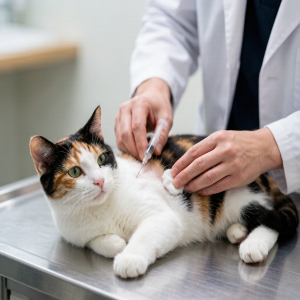
Feline Leukemia: Symptoms and Treatment
Feline AIDS and feline leukemia are topics owners avoid; clinically similar yet different. There is a separate article on feline AIDS for those interested.
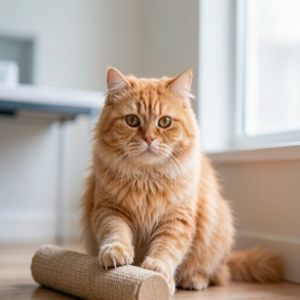
Why Does Your Persian Cat Keep Tearing Up
Persistent tearing in Persian (Exotic) cats can have several causes. Their short nasal passages and shallow eye sockets make mild tearing normal, but blocked tear ducts, structural gland issues, conjunctivitis, keratitis, injury, or foreign particles can all increase eye discharge. Diet also plays a role: salty food and low water intake lead to internal heat and heavy tear staining. If tearing continues or comes with redness, fever, poor appetite, vomiting, or diarrhea, see a veterinarian for diagnosis and treatment.