Search Results
93 results for “periodontitis”
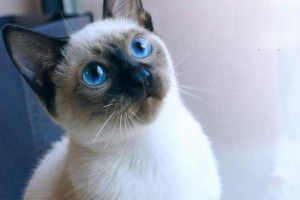
What Causes Cat Bad Breath
A healthy cat's mouth smells faintly of fish or food, never foul. Lasting odor means trouble: soft food and cans cause cavities and tartar, digestion issues and oral infection add smell, and B-vitamin deficiency is a culprit. Watch for dirty teeth, drooling, or gum pain, brush young, and see a vet for diagnosis and treatment.

Common Everyday Cat Illnesses
Five common cat issues: (1) Upper respiratory infection—cough, sneeze, runny nose (yellow discharge is a red flag), from cold or poor nutrition; prevent with warmth and good food. (2) Fleas—scratching and black specks after a bath; treat with a vet-recommended flea product. (3) Heartworm—intermittent vomiting, cough, wheezing, lethargy; prevent with monthly prevention and by controlling mosquitoes (the intermediate host) and clean water. (4) Periodontal disease—bad breath, drooling, only soft food; prevent with regular brushing/cleaning. (5) Obesity—oval loaf shape, jiggling belly, hard-to-feel ribs; leads to diabetes, lower-urinary disease, arthritis, hepatic lipidosis; feed measured meals and exercise.

Why Your Dog’s Teeth Are Bleeding
Bleeding from a dog's mouth is common and usually mild, but it is worth understanding the cause. Puppies around three to four months old often bleed a little as loose baby teeth fall out — normal, but watch the diet. In adult dogs, bleeding gums usually point to dental disease: tartar sitting at the gum line constantly irritates the tissue and causes gingivitis or periodontitis. Hard objects can also cut the gums, and a lack of vitamin C plays a role. Because persistent bleeding can signal serious dental disease, a veterinary exam is the safe move.

Why Pets Drool: Stomatitis and Periodontal Disease
Persistent drooling often points to mouth inflammation. Stomatitis can be contagious (virus-linked) and, in cats, often lifelong — a red line forms where gum meets tooth, with constant drooling. As it worsens, ulcers grow, the cat may stop eating and lose weight. Periodontitis, driven by bacteria and tartar, also causes drooling, bad breath, and tooth loss. Diagnosis needs an oral exam (often under anesthesia) and dental X-rays; treatment ranges from antibacterial rinses to antibiotics and, in severe tartar cases, extraction.

What Can Cats Eat to Clean Their Teeth?
The real question is what reduces food left on the teeth. Crunchy quality kibble sticks less than wet food and scrapes the surface as a cat chews; dental chews, jerky, chew toys, and VOHC-certified treats add friction; pet dental water or powder with lysozyme slows plaque chemically. But the most reliable step is still brushing a few times a week. Left alone, plaque becomes tartar, gingivitis, and even organ harm.

Common Items in a Dog Health Checkup
A routine dog checkup covers coat and skin, weight, temperature, eyes, ears, teeth, feces, X-rays, and blood work. Many diseases show no early signs and become serious or even untreatable by the time they appear, and older dogs face organ decline and age-related illness, so yearly exams are worthwhile. A typical visit measures rectal temperature (normal 38-38.9°C), checks eyes and ears for cleanliness, assesses coat and weight, examines the mouth for gum or tooth disease, and may add fecal, X-ray, or blood tests as needed.

The Dangers of Dental Tartar in Dogs
Dog tartar is hard buildup of bacteria and food debris along the gumline. Left alone it drives gingivitis, bad breath, loose or lost teeth, mouth infection, periodontal disease, respiratory infection, and even whole-body issues like heart, kidney, and diabetes risk. Prevention means regular brushing, dry food over wet, and limiting sugar and starch. Severe cases need a professional dental cleaning, and badly loose teeth may require extraction.
My cat’s drool smells foul and only flows at night — what could it be?
Foul-smelling drooling usually points to oral or digestive problems such as gingivitis, periodontitis, or mouth ulcers. Check the mouth, keep it clean, and see a vet if it doesn't improve.
Why Is My Cat Not Eating or Drinking?
A cat that refuses food and water can have many underlying causes - stress, parasites, oral disease, digestive trouble, or liver problems. The right treatment depends on finding the specific cause.

Common Oral Diseases in Cats and Dogs
Many pets suffer oral disease; most is controllable by daily brushing and dental care, yet many pets lack it, causing disease. How to care daily?