Search Results
93 results for “periodontitis”

The Hidden Cost of Ignoring Your Dog’s Tartar
Tartar causes more than bad breath — it harbors bacteria that trigger gingivitis and periodontitis, erode the alveolar bone, and loosen teeth. Bacteria entering the bloodstream via gum wounds can cause sepsis, nephritis, or myocarditis, shortening a dog's life by 2–3 years. Treat with professional cleaning (and extraction if severe), and prevent daily with brushing, dental wipes/gel, and chews.

My Dog Has Double Teeth That Won’t Fall Out
If a puppy's adult tooth comes in before the baby tooth falls, give chew toys and crunchy food to help it loosen. If 'double teeth' persist past 7 months, a vet should extract the retained baby tooth to prevent gum disease and bad breath.

Can You Brush Your Dog’s Teeth With Human Toothpaste?
Never brush a dog's teeth with human toothpaste. Many human formulas contain ingredients toxic to dogs, especially fluoride and xylitol. Dogs swallow the foam instead of rinsing, so toxins build up: fluoride can cause vomiting, diarrhea, irregular heartbeat, and over time kidney and nerve damage, while xylitol is far worse, just 0.1 g per kg of body weight triggers severe low blood sugar and 0.5 g/kg can cause acute liver failure. Mint flavors also make dogs resist brushing. Use a pet toothpaste (look for VOHC approval), brush at least three times a week, and see a vet for red, bleeding gums or worsening breath, which may mean periodontitis.

Why Is My Dog’s Tooth Loose?
A loose tooth in a dog can be perfectly normal or a sign of trouble. Puppies naturally lose their baby teeth as adult teeth come in, while senior dogs gradually lose tooth stability as the surrounding periodontal tissue weakens, a change that cannot be reversed. In adult dogs, however, a loose tooth is more often caused by dental disease such as gingivitis, periodontitis, or tartar buildup. Poor diet also plays a role, since soft or moist food leaves more residue that feeds bacteria. Finding the underlying cause is essential, because loose teeth from disease need veterinary cleaning, antibiotics, or extraction to prevent wider infection.
Cat Food Ingredients to Avoid, No Matter How Cheap
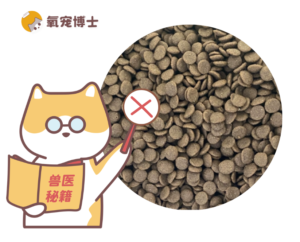
Not all cat food is created equal, and the ingredient list is the single most reliable way to judge quality. Some products hide preservatives, flavor enhancers, and fillers that can harm your cat over time — from potential carcinogens like BHA, BHT, ethoxyquin, and TBHQ to appetite stimulants such as MSG and pyrophosphate. Other risky additives include propylene glycol, nitrites, synthetic vitamin K3, and thickening gums, while artificial colors and sweeteners add sugar and nothing of value. Because cats are obligate carnivores, diets overloaded with corn, wheat, or soy not only lack nutrition but may trigger allergies and even aflatoxin exposure. Learning to read the label helps you protect your cat from low-grade food, no matter how attractive the price.

What to Do When Your Dog Is Too Thin
A thin dog can fall into two patterns: one that eats little and wastes away, and one that eats plenty yet still loses weight. The second is often more telling, because calories are going somewhere other than the body. Matching the pattern to the likely cause is the first step toward fixing it.

Bad Breath in Cats: Causes and What to Watch For
An occasional whiff after a meal is normal, but constant cat bad breath points to an underlying problem. The causes run from simple plaque to digestion, mouth ulcers, kidney disease, and even diabetes, each with its own clue. Knowing what to look for helps you act before a minor issue becomes a serious one.

What Is Cat Stomatitis and How Is It Treated?
Cat stomatitis is one of the harder feline diseases to cure, and severe cases can be fatal because a sore mouth leads a sensitive cat to stop eating. Its cause is complex, tied as much to the immune system as to infection, which is why antibiotics alone fall short. This guide explains what stomatitis is, its symptoms and types, how extraction works, and the daily oral care that prevention depends on.

Treating and Preventing Cat Tartar
Ignored mouth hygiene leads to tartar, common in cats over two on soft food, peaking at five and eight. Plaque hardens into tartar that causes gum damage, loose teeth, and bad breath. Professional ultrasound scaling under anesthesia is best; severely bad teeth should be pulled. Prevent with early brushing using pet paste and gauze, and feed cat kibble.

What to Do About a Kitten’s Bad Breath
A cat's breath should be a faint fish or food smell; obvious odor with yellow teeth, tartar, or calculus means serious oral disease that can become gingivitis, periodontitis, or stomatitis. Build cleaning habits early: brush with a finger brush or gauze, use vet-recommended rinse or powder, or offer dental chews that scrape away plaque.