Search Results
449 results for “pellet feeding”
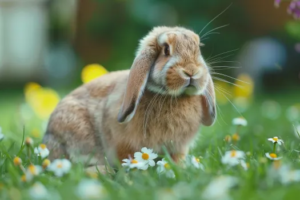
Why Won’t Your Rabbit Eat Its Feed?
A rabbit refusing feed isn't only boredom with the food—it can also mean dehydration, constipation, or disease. Here are the reasons.
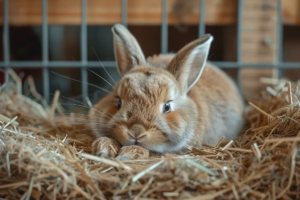
What to Do When Your Rabbit Won’t Eat Feed
Many keepers report rabbits refusing feed, so here are practical fixes to try.

Know Rabbit Disease Patterns to Prevent Them Well
Some rabbit diseases follow patterns; knowing them helps prevention greatly. Some are untreatable or hard to treat and kill before you can act, so prevention must come first. Here is how.

Common Dental Diseases in Rabbits
Rabbits' teeth grow continuously, so without enough wear they overgrow and cause malocclusion and caries — both of which can lead to painful facial abscesses. Feeding plenty of hay and regular vet checks are the best ways to prevent dental problems.

Essential Tips for Raising a Rabbit
Raising a rabbit is easy, but raising one well takes commitment. The essentials: always provide clean (never tap) water, make hay the staple with age-appropriate pellets and veggies as supplements, allow daily exercise and litter training, keep the habitat clean, rabbit-proof hazards, and skip frequent baths. A balanced diet and clean home are the foundation of rabbit health.

How to Feed a Red-Eared Slider and What to Watch For
Feeding a red-eared slider depends on its life stage: hatchlings need daily meat-rich meals, while adults do well with pellets, insects, and veggies two to three times a week. Keep water clean and warm (23–30°C), provide a basking spot, and stop feeding once they hibernate below 11°C — just maintain water above 4°C.

What Foods Help Goldfish Grow and Develop?
Goldfish are omnivorous—they eat live animal food, plant matter, and prepared pellets. Live foods include bloodworms, daphnia, cyclops, paramecium, mosquito larvae, tubifex, mealworms, yellow mealworms. Plant foods: aquatic plants, algae, duckweed, tender greens, fruit. Newly hatched fry take boiled egg yolk, brine shrimp eggs, infusoria; ages 1–2 months mainly animal food; after 2 months, prepared food plus some animal/plant food.

Can You Feed Goldfish Rice?
Goldfish are omnivorous and can eat rice, but not too much. Rice is nutritionally one-sided and shouldn't be the staple; its starch can cause indigestion. Balance their diet—use goldfish pellets as staple, plus some plant/animal food and fruit. As ornamental fish, some live food also adds nutrition and color.

What Color Should Healthy Goldfish Droppings Be?
Healthy goldfish normally pass black or brown stool, tied to diet—bloodworms give brown, pellets give black, algae give green. Occasional white stool is fine if no other signs, but long white or stringy stool means digestive trouble—take note.
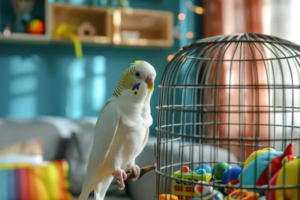
How to Care for a Lovebird
Use a sturdy metal cage (not wood - they chew and may escape), line the bottom with shavings or sand, and feed a balanced pelleted diet plus grains, fruit, and vegetables (avoid avocado and sugary or fatty human food). Feed by age - newborns every 1-2h, adults once daily - and change food and water daily. Give cooled boiled water in a shallow dish and keep them cool.