Search Results
449 results for “pellet feeding”

Chinchilla Care Essentials
When keeping a chinchilla, never feed spicy or cooked food — many deaths come from bad diet. In hot summers, cool them down. The author shares more chinchilla care notes.

How Often and How Much to Feed Your Dog
Feed small and often, never overfeed. Puppies need 4 to 5 meals a day while adults do well with two, at roughly 20 to 25 grams of kibble per kilogram of body weight.
How to Raise Meat Rabbits Well
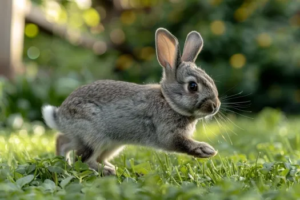
Raising meat rabbits well means timing breeding to the seasons (spring best, summer cooling, autumn nutrition during molt, winter warmth), mixing concentrate, roughage, and green feed or using complete pellets, and choosing fast-growing, disease-resistant breeds such as Belgian, New Zealand, or Chinese White rabbits.

How to Feed Rabbits Fresh Greens Properly
Fresh greens benefit rabbits—they help prevent disease, control body condition, and counter heat and humidity—but must follow three rules: feed little and often, pair with concentrated feed for energy, and serve fresh rather than cooked.

How to Care for an Aging Hamster
Aging hamsters need softer food (soaked mix, egg white, oats, cucumber), more fiber for constipation, a simple low-climb home with a wheel, and daily checks of eyes/teeth/claws and toileting. Never house them with young hamsters, who will bully them.
What Food Is Best for Rabbits to Eat?
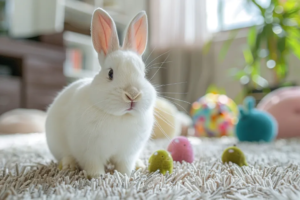
What food do rabbits eat? Most people probably think of carrots. In fact, besides grass as a staple, besides carrots, there are other fresh fruits and vegetables that rabbits can eat. Below we give examples of some common foods suitable for rabbits to help them grow healthily.

Warning: These Foods Are Toxic to Rabbits!
Frozen, fried, and cooked foods cannot be given to rabbits. A rabbit's diet should be mainly hay and rabbit pellets, supplemented with some fruits and vegetables. There are many foods that rabbits cannot eat, and eating them may cause a series of diseases. Today we tell you about the foods that cannot be fed to rabbits, hoping to help you ensure your rabbit's dietary safety.
How to Prevent and Treat Rabbit ‘Big Belly’ Disease
Rabbit big-belly disease strikes weanling kits and can kill in 2–3 days, driven by moldy feed or poor nutrition. Prevention is clean feed and a correct formula; treatment ranges from grass-and-exercise to metoclopramide and antibiotics.

Rabbit ‘Big Belly’ Disease (Enteritis/Bloat): Causes & Care
Rabbit 'big belly' disease is a fast, often fatal gut illness from mixed E. coli/coccidia infection, viral diarrhea, or low fiber. This guide covers its signs, prevention (clean feed, grass), and treatment (fasting, gentamicin, probiotics).

What to Do About Rabbit Constipation
Rabbit constipation often comes from dry food, low water, or too little fiber and exercise. Relieve it with diet changes, probiotics, outdoor exercise, and hairball remedies to keep the gut moving.