Search Results
449 results for “pellet feeding”
What happens if a rabbit only eats rabbit pellets?
If a rabbit eats only pellets and no other food, it can lead to a series of health problems, mainly in these ways. First, rabbits are herbivores that need a lot of coarse fiber to keep the digestive system healthy. Pellets have less fiber than hay, and long-term feeding easily causes indigestion. Second, a rabbit's teeth keep growing and need chewing on hay and chew sticks to wear down; eating only pellets may let the teeth grow too long, causing chewing difficulty, drooling, and oral problems. Finally, some pellets are high in carbohydrates and fat, and long-term single-food feeding may make the rabbit obese, raising the risk of heart disease, arthritis, and diabetes.
What should you pay attention to when feeding a pet rabbit?
When feeding a pet rabbit, provide enough fresh grass, hay, or rabbit pellets as the staple, plus moderate vegetables and fruit like carrot and apple (avoid overly watery fruit). Rabbits need clean drinking water and a clean, well-ventilated environment to stay healthy.
I Always Fed Timothy Hay, but Ran Out; From Monday Night to This Morning I Gave Fresh Grass, Vegetables, and a Small Pack of Rabbit Pellets. Yesterday Afternoon It Ate Less, but Was Active at Night; This Morning It’s Lethargic, Lying Down, Not Eating, Tiny Sticky Smelly Droppings, Very Yellow Urine
Likely digestive disease from diet change or fresh greens. Poor appetite and lethargy = illness. Fast the rabbit, give little or no water, feed probiotics or lactase to regulate flora; then gradually return to old food, avoid greens and fresh grass. If no recovery, vet fecal exam for parasites or flora.
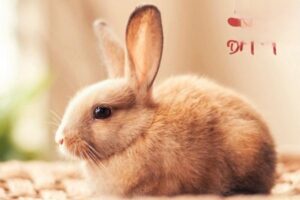
Should You Stop Feeding a Rabbit with Soft Droppings?
Should you stop feeding a rabbit with soft droppings? Not necessarily. If mild, just reduce the amount; if severe with blood, stop feeding at once. Let's learn about rabbit soft droppings with our veterinarian.
What Turtle Pellets Do Grass Turtles Eat?
In captivity, owners can buy specialized grass-turtle formula pellets. Main ingredients are plant powder, green soybean powder, and wheat flour, meeting nutrition needs; they also contain calcium and vitamin D3 for shell strength.
What happens if I feed a rabbit only pellets?
Pellets-only risks indigestion, overgrown teeth, and unbalanced nutrition. Rabbits need fiber (hay) for gut motility—without it, constipation and hairballs; they also need hay to wear teeth. Pellets are high in carbs/fat, low in protein/fiber, hurting growth long-term.

Rabbit Feeding Habits and Eating Behavior
Rabbits are single-stomach herbivores that prefer plants, pellets and a little vegetable oil or sweet feed, with animal feed kept under 5%. They practice coprophagy — eating nutrient-rich soft cecotropes at night — and eat mostly after dusk, so sudden feed changes cause refusal and gut upset. Introduce any new feed, including animal protein during pregnancy or lactation, gradually.

Arowana Feeding: Tips and Precautions
Arowanas are large, easy-going freshwater fish that need stage-based feeding: fry 6–8 small meals a day down to adults once a day, always to about 80% full and finished within 10 minutes. Use floating food to avoid droopy eye, cut shrimp rostra, disinfect live prey, and shift from growth-type to color-enhancing foods during the color phase.

What Do Goldfish Eat? Goldfish Feeding Habits
Goldfish do best on live animal foods (cleaned and disinfected) or balanced flakes/pellets, fed 1–3 times daily with portions finished in 10–30 minutes. Adjust timing to water temperature and never overfeed — a goldfish tolerates fasting better than bloating.

Hamster Feeding: What to Feed and What to Avoid
Hamsters are omnivores that do well on a fortified staple mix, supplemented with small amounts of grains, vegetables, fruit, cooked meat, and insects. Avoid spicy human food, fruit pits, and unboiled water; refresh food daily and keep the cage clean to prevent diarrhea.