Search Results
314 results for “parvovirus treatment”
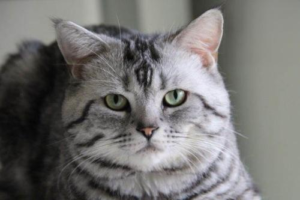
Why Does a Cat Get Panleukopenia After a Dewormer?
Deworming medicine does not cause panleukopenia—the two are unrelated, and any illness reflects the kitten's own condition, so watch its health closely. Dewormer upset usually shows as vomiting from gut irritation and settles with probiotics, while true panleukopenia is a separate, serious viral disease.

What to Do If Your Dog Suddenly Passes Blood
Blood in stool can mean hemorrhagic gastroenteritis, infectious enteritis like parvo, an internal cut from bones, or parasites. Because the causes are serious, get a vet's diagnosis before any treatment.
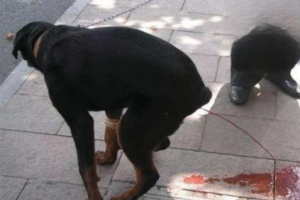
Can a Dog Recover from Parvo on Its Own?
Parvo almost never clears up without veterinary help. It is a fast-moving, highly lethal viral infection, and unvaccinated puppies can deteriorate within days, so the honest answer is that a dog cannot safely be left to fight it alone.

How Quickly Is Parvo Fatal in Dogs?
Canine parvovirus is a highly contagious, often deadly disease that kills unvaccinated puppies within days if left untreated. With prompt veterinary care many dogs do recover, so the outcome depends far more on speed of treatment than on the virus alone.
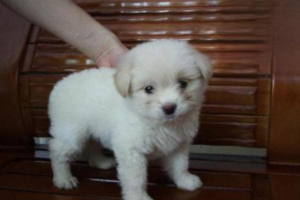
Can Dogs Get Fevers?
Dogs absolutely get fevers, from a chill or strep to pancreatitis, distemper, or parvo. Never just dose with fever pills; find the cause with a vet, since puppies often have an infection behind the fever.

Dog Fever: Symptoms and What to Do
Dog fever often follows a chill, heatstroke, postpartum low calcium, or viruses like distemper and parvo. Signs include a dry hot nose, fast breathing, and red eyes, and a temperature above 39.5C (103F) means it is time for a vet.

What to Do When Your Dog Has Blood in Its Stool
Blood in a dog's stool can come from something mild like a sudden food change, or from serious issues like gastroenteritis, an intestinal tear, or infections such as parvovirus. Match the cause to the right response, and see a vet whenever the bleeding is severe or unexplained.

Treating Dog Diarrhea: Causes and Care
A dog's gut is extremely delicate, so diarrhea is very common — and the right treatment starts with the right cause. Parasites, poor feeding, frequent food switches, chills, or infectious disease each need a different response. Match the care to the trigger, and see a vet for nonstop or bloody diarrhea, since parvovirus may be involved.

What to Do When Your Dog Is Both Vomiting and Having Diarrhea
A dog's fragile gut makes vomiting-plus-diarrhea common, from gut irritation and colds to irregular feeding. Start with an 8–12 hour fast from food and water, then rule out parvovirus, distemper, or coronavirus if unvaccinated and severe. Keep food bland, warm the dog for colds, and train 'leave it' to avoid road food.

How to Treat Dog Diarrhea
A dog's fragile gut makes diarrhea common, and the right fix depends on the cause: parasites, poor feeding, chills, frequent food switches, or infectious disease. Match the treatment to the cause — deworm for parasites, fix the feeding routine, keep warm for colds, and see a vet for bloody stool or nonstop diarrhea, since parvovirus may be involved.