Search Results
314 results for “parvovirus treatment”

Can Feline Infectious Peritonitis (FIP) Ascites Be Drained?
FIP ascites should generally not be drained unless it severely impairs breathing, and draining alone does not cure FIP. The effective antiviral GS-441524 is the real treatment, so a vet diagnosis and timely medication matter — and remember ascites can also come from liver or heart disease.

What to Do When a Dog With Gastroenteritis Won’t Eat
Diarrhea and vomiting in dogs usually point to a gut problem tied to food irritation or infection. Gastroenteritis brings diarrhea, vomiting, and low appetite; severe cases need the vet. Don't force-feed — offer bland rice-and-kibble porridge once appetite returns, and seek care early.

What to Do When a Dog Vomits for Days
Frequent vomiting usually points to the digestive system - wrong diet or blockage - with poor appetite and low spirits. We advise a vet visit.
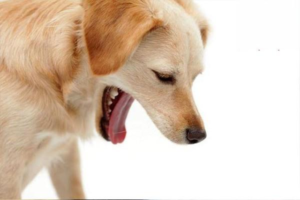
How to Relieve a Dog That Vomits from Carsickness
Carsickness triggers a range of physical reactions in dogs, including vomiting and drooling, signaling severe discomfort that needs prompt relief. Learn the causes of carsickness and the emergency measures to handle it.

What Causes Watery, Foul-Smelling Dog Stools with Blood?
When a dog has watery stools with a bloody, foul smell, diarrhea, or blood in the stool, many owners first fear infections like parvovirus or coronavirus. But not only infections cause watery stools. This article explains the possible causes of bloody, foul-smelling diarrhea in dogs.

What Causes Acute Enteritis in Dogs and What Are the Signs?
Acute enteritis comes from bad food, chills, antibiotic overuse, or infections and parasites. Signs are diarrhea, vomiting (sometimes with blood), mucus stool, fever, and dehydration. Withhold food 24h, give fluids, and treat the root cause.

Common Causes and Medications for Cough in Dogs and Cats
A cough in dogs and cats can be dry or productive and stems from viruses, bacterial respiratory infection, parasites (heartworm, roundworm), irritants or foreign bodies. Treatment targets the cause — antivirals, antibiotics, dewormers, bronchodilators and cough suppressants — while vaccines, regular deworming and a clean, dust-free home prevent most cases.

Is Yellow Watery Stool in Cats a Sign of Feline Distemper?
Yellow watery stool can mean feline distemper, especially in unvaccinated cats, but also bacterial gastroenteritis, parasites, or indigestion. Learn to tell these conditions apart.

Canine Coronavirus in Dogs
Canine coronavirus is a contagious gut infection causing vomiting and diarrhea, especially dangerous to puppies. There is no targeted cure, so treatment stabilizes symptoms while prevention relies on hygiene and avoiding crowded dog areas.

What Causes Intestinal Intussusception in Dogs?
Intestinal intussusception in dogs is mainly caused by intestinal stasis, twisting, or prolapse, and playful puppies with big appetites are especially prone. Over-hunger, cold milk, poor food, and cold water can trigger it, as can secondary diseases. Symptoms include vomiting, abdominal pain, and appetite loss; seek veterinary care promptly to avoid a life-threatening blockage.