Search Results
314 results for “parvovirus treatment”
Signs Your Dog with Parvo Is Recovering
Canine parvovirus is deadly (up to 80% mortality) with enteric and cardiac forms. Recovery signs: brighter mood and appetite, falling fever, and no more vomiting/diarrhea. Prevent with vaccines from 4 weeks, deworming from 3–4 weeks, and strict disinfection of feces and bedding.

Why Pets Need Vaccinations
Even indoor pets catch viruses carried in on shoes and hands, so vaccination is not optional. Core threats include distemper and parvovirus in dogs and panleukopenia, herpes, and calicivirus in cats — and untreated infection can be fatal despite treatment.

Can a Cat Recover from Feline Distemper on Its Own?
Feline distemper (panleukopenia) almost never clears without treatment; only a "false" case, where a vaccinated or robust cat carries the virus without symptoms, can be managed by boosting immunity. The virus is highly contagious, survives in the kidneys for over a year, and causes appetite loss, fever, vomiting, and diarrhea, so veterinary care and strict hygiene are essential.

Does Feline Panleukopenia Mutate?
Talk of feline panleukopenia (cat plague) mutating—riding on COVID variant fears—has no scientific basis. The real concern is how dangerous it is: highly contagious across cats and other felids, striking all ages (kittens under one year worst, with 70% infection and 50–60% death rates), and the parvovirus survives over a year in the kidneys. Vaccinate and act fast on vomiting, diarrhea, or blood in stool.

What to Give a Dog for Diarrhea (and What Works Fast)
Diarrhea treatment starts with identifying the cause from the stool: loose yellow stool usually means a chill, yellow-black stool with debris calls for a 24-hour fast, and black soy-sauce-like stool points to a sugary diet. Puppy diarrhea has six common triggers — from overfeeding to parvovirus — and the right fix is gut rest, fasting, and medication rather than blind dosing.
What to Do When a Dog Vomits Right After Eating
A dog that throws up right after eating may have eaten spoiled food too fast, have gut trouble or worms, or carry a virus such as distemper or parvovirus. Soften kibble for puppies, slow fast eaters with a bowl, and see a vet at once if a viral infection is suspected.
How to Recognize Acute Gastroenteritis in Dogs
Acute gastroenteritis shows up as soft, watery, sometimes bloody stool; a hunched back from abdominal pain; repeated vomiting; and, when a virus is involved, fever and lethargy. Get the dog to a vet promptly to rule out distemper, parvovirus, or coronavirus, then support with fasting, fluids, anti-emetics, and gut antibiotics.
Dog Vomiting Yellow Foamy Water
Puppies often vomit yellow water, usually because the dog has not eaten for a long time, so it vomits bile and air from the stomach. If the owner has not fed the dog for too long, give a small amount of liquid food first to avoid a second vomiting from sudden eating. If appetite disorder is from some physical abnormality, take the dog to a pet hospital for relevant checks and treatment.
What to Feed a Dog With Diarrhea
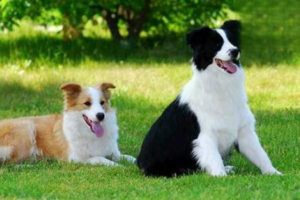
When a dog has diarrhea, feed intestinal prescription food, egg-yolk therapy, apple therapy, or intestinal medicated cans to repair gastrointestinal damage, and an appropriate amount of probiotics to balance the gut flora.

Symptoms of Proctitis (Rectal Inflammation) in Puppies
Dog enteritis refers to acute or chronic inflammation of the intestinal mucosa. Inflammatory bowel disease can occur as a condition that invades only the small intestine, but is more commonly seen as widespread inflammation of the stomach, small intestine, and colon.