Search Results
91 results for “parvo recovery”
Dog Bloody Stool and Vomiting: Causes and Solutions
Dog vomiting with blood in the stool can stem from simple overeating, gastroenteritis, serious viral disease (distemper or parvovirus), or parasites. Overeating and rough play after meals cause acute vomiting; gastroenteritis brings recurring diarrhea and sometimes blood; parvovirus shows lethargy, foul diarrhea, and respiratory signs; long gaps since deworming point to parasites. See a vet for diagnosis, fast the dog, and use probiotics to support recovery.

What Are the Symptoms of Canine Coronavirus?
Canine coronavirus is a fast-spreading intestinal virus that looks a lot like parvovirus. Infected dogs become lethargic and lose their appetite, then develop persistent vomiting and foul-smelling, watery diarrhea that may carry a little blood—often in recurring bouts. Puppies are especially vulnerable, while adult dogs usually recover. There is no specific cure; treatment is supportive (fluids, anti-emetics, gut protectants, and a recovery diet), and prevention through vaccination and good hygiene is the most reliable defense.
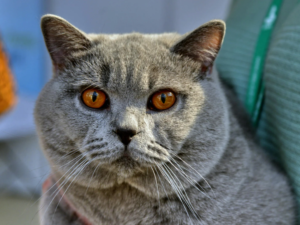
Feline Panleukopenia: How Fast Is It Fatal?
Panleukopenia is a deadly, highly contagious viral disease that attacks the gut and bone marrow. Unvaccinated kittens under a year often die within 2–4 days if untreated; unvaccinated adults usually within 5–7 days, some lasting around 10. Vaccinated cats rarely die. Early care lifts kitten survival above 50% and adults above 80%—and surviving one week usually means recovery. Prevention through vaccination beats treatment every time.

Canine Coronavirus (CCoV): Symptoms, Treatment, and Prevention
Canine coronavirus is a highly contagious viral infection that causes acute gastroenteritis in dogs. It spreads through contact with contaminated saliva, feces, and food, and typically produces vomiting, diarrhea, and appetite loss. Most dogs recover within 7 to 10 days, but the infection is known to recur.

What Is Feline Panleukopenia?
Panleukopenia is a fast, fatal-sounding viral disease — but fear comes from not understanding it. Infection needs three things: a source, a route, and low immunity, so even a cat that never goes out can be at risk.

How Long Can a Husky Survive Canine Distemper?
A Husky with canine distemper that is caught and treated early has a good chance of recovery. Left untreated, the disease can be fatal within a few days to a week, so prompt veterinary care is the deciding factor.

What to Do When Your Dog Has Ongoing Diarrhea and Won’t Eat
Persistent diarrhea in dogs usually traces back to cold exposure, parasites, a sudden food change, or illness such as enteritis, parvovirus, or distemper. Treat the cause, keep your dog hydrated, and get veterinary help if symptoms are severe.

What to Do When Your Cat Sneezes and Has a Runny Nose
A cat cold usually starts from a chill, and if it drags on for over a week it needs real attention—left alone it can lead to coughing, dehydration, or low fever. Check the temperature, keep the cat warm, rule out serious illness, and support recovery with food and fluids.

What to Do About Thick Yellow Nasal Discharge in Dogs
Seasonal sniffles are common in dogs, but thick yellow discharge is a warning sign of inflammation rather than a simple cold. It can mean a serious cold, a respiratory infection, or a viral disease — and the right step depends on which one it is.

How to Treat a Puppy With a Cold
A puppy cold is not the same as a human one, and treatment depends on how far it has progressed — from mild sneezing to a possible viral infection. Most mild cases settle with rest and vet-approved care, but vomiting, diarrhea, and fever together are a red flag that needs a clinic immediately.