Search Results
91 results for “parvo recovery”

Gastroenteritis in Dogs and Cats: Types, Symptoms & Medication
Gastroenteritis in dogs and cats spans gastritis (acute/chronic) and enteritis (viral, bacterial, parasitic). This guide covers causes, symptoms, and the medication approach—anti-inflammatories, anti-vomiting, anti-diarrhea, dewormers, probiotics—plus prevention.
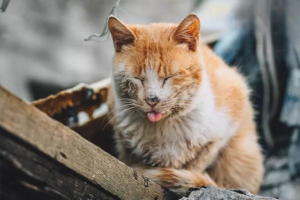
Common Causes of Shivering in Cats and Dogs and How to Manage Them
Shivering is body trembling from cold, emotion, disease, or weakness—common in pets, and seizures include it. Causes range from simple cold to poisoning or infection; this article reviews them.

Does a Dog Have to Be Vaccinated?
Many owners wonder if a dog can skip vaccines — the answer is no. Vaccination protects the dog's health and is required by law. Learn why dogs need shots, the types available, and the key precautions.

Symptoms and Treatment of Common Viral Infectious Diseases in Dogs and Cats
Viruses need host cells to multiply, then spread via blood and lymph causing infection. Here are common viral diseases in dogs and cats.

What to Do When a Dog Vomits for Days
Frequent vomiting usually points to the digestive system - wrong diet or blockage - with poor appetite and low spirits. We advise a vet visit.

Can Dogs Take Motion Sickness Medicine? Does It Work?
Many dogs get severely carsick on their first ride, with symptoms much like ours — vomiting and drooling, and in severe cases even loss of bowel or bladder control. Can you give your dog motion sickness medicine to prevent it? Here is what you need to know.

Why Does My Cat Vomit After Drinking Water?
Vomiting right after drinking means a very sensitive gut, from spoiled food, parasites, or virus; withhold food and water briefly and use an anti-nausea and probiotic, or see a vet if unvaccinated.
My dog is vomiting, not eating, listless, but not having diarrhea.
If parvovirus is confirmed, hospitalize the dog for antivirals, anti-infection drugs, symptom relief, and fluid/electrolyte support—hard to manage fully at home.
What is canine ileocecal pyogranuloma?
A canine ileocecal pyogranuloma is commonly known as cecal inflammation or a cecal cyst. There are many causes, including scratches from sharp foreign objects, intestinal parasite infections, and viral infections such as parvovirus or distemper. If a dog develops this condition, the specific cause must first be identified so that targeted treatment can be given. If the cecal inflammation is caused by intestinal parasites, the dog should be dewormed and given medications that repair the intestinal mucosa to promote recovery of gut health.

Komondor
The Komondor is a huge Hungarian livestock guardian famous for its white corded, mop-like coat; it is alert, brave and deeply loyal, and is a guardian rather than a herder.