Search Results
31 results for “parvo incubation”
How long after infection does canine parvovirus show symptoms?
A dog generally shows parvovirus symptoms in 7 to 10 days. The incubation is 3 to 14 days with no signs, and testing is negative until onset. Early signs are poor appetite and vomiting; later diarrhea, blood, fever. Treat early for higher cure rate.
How long after parvovirus infection does a dog show symptoms?
A dog usually shows symptoms 1-2 weeks after parvovirus infection. The virus has a 3-14 day incubation with no signs and cannot be tested then. Early signs are vomiting, diarrhea, fever, and appetite loss; take it to a vet promptly, since earlier treatment means a better cure chance.
How soon after parvo infection can it be detected?
Parvo has a 7 to 15 day incubation; it is found only after onset, when puppies show vomiting, diarrhea and bloody stool. Timely treatment can cure; diarrhea, vomiting and poor appetite are early signs, so see a vet.

Canine Parvovirus: Symptoms and Treatment
Canine parvovirus is an acute, highly contagious infection that hits puppies hardest and carries a high death rate. It shows as either severe hemorrhagic enteritis or sudden heart failure, and because mixed infections are common, quick recognition matters. Supportive care, fluids, and vaccination are the cornerstones.

What Is Canine Parvovirus?
Canine parvovirus (CPV) is a single-stranded DNA virus that hits unvaccinated dogs of any age; CPV-2 is the most virulent and a leading cause of severe puppy enteritis. It spreads by fecal-oral contact, resists the environment for months to years, and causes vomiting, bloody diarrhea, and dehydration. Vaccination is key.

Common Illnesses and Symptoms in Kittens
Kittens have weak immunity, so watch daily for dullness or odd behavior. Beware parvovirus, gastroenteritis, rhinotracheitis, ringworm, and ear mites, all serious and contagious, needing prompt isolation and a vet.

Treating E. coli Infection in Dogs and Cats
Colibacillosis is an acute intestinal infection of young dogs and cats caused by pathogenic E. coli, marked by fever, vomiting, and foul-smelling diarrhea that can turn fatal. It mimics many other diseases (distemper, parvovirus, salmonellosis), so a lab test is needed for diagnosis; treatment is antibiotics chosen by sensitivity testing plus strict hygiene and early colostrum.
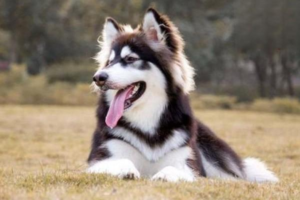
Husky Vaccination: Schedule and Vaccine Types
Huskies need a strict vaccine schedule — bivalent at 45 days, quadrivalent at 75, hexavalent plus rabies at 105, then yearly boosters. Use vaccines before expiry, keep the site clean, and avoid baths or heavy exercise around shots; for unvaccinated puppies at high risk, hyperimmune serum first helps.

Does Feline Panleukopenia Mutate?
Talk of feline panleukopenia (cat plague) mutating—riding on COVID variant fears—has no scientific basis. The real concern is how dangerous it is: highly contagious across cats and other felids, striking all ages (kittens under one year worst, with 70% infection and 50–60% death rates), and the parvovirus survives over a year in the kidneys. Vaccinate and act fast on vomiting, diarrhea, or blood in stool.

What Is Feline Distemper and What Are Its Symptoms?
Feline distemper is the name for acute, highly contagious diseases such as feline panleukopenia and feline infectious enteritis. A cat with distemper shows fever, panleukopenia, vomiting, diarrhea, bloody stool, lethargy, and loss of appetite.
- « Previous
- 1
- 2
- 3
- 4
- Next »