Search Results
15 results for “parrot care”

Pacific Parrot: Traits and Care
The Pacific parrot (or Pacific parakeet) is among the smallest parrots, only about 12 cm long and 30 g, earning the nickname "pocket parrot." Mostly green or blue, it is gentle, cute, and not very destructive, and can even learn a few words. In the wild it flocks and eats seeds, berries, and fruit; in captivity it needs a small cage, mixed seed or pelleted food, baths, and sunlight. Breeding runs January to May with four to six eggs.

Symptoms and Treatment of One-Eye Cold in Parrots
One-eye cold is a common contagious eye condition in parrots, marked by swollen conjunctiva, watery discharge, lethargy, reduced appetite, and weakness, with respiratory signs in severe cases. If you notice these symptoms, take them seriously and treat promptly. Care begins with isolating the sick bird and disinfecting the cage, then gently cleaning the eye and applying bird-specific drops such as bird-specific eye drops or human erythromycin ointment—treating both eyes even if only one is infected. Serious cases need antibiotics under a vet's guidance. Daily hygiene, clean food and water, and regular check-ups are the best prevention.
Why Did My Blood Parrot Cichlid’s Tail Turn Black?
Blood parrot cichlids are popular aquarium fish, and owners are often alarmed when a fish's tail slowly turns black. The cause is usually practical rather than mysterious—water temperature swings, poor water quality, a fright, or a bacterial black-spot disease. Most cases trace back to husbandry, so the fix is often a better water routine. This guide explains the common reasons and the matching treatment to bring the color back.
Why Is Your Parrot Refusing to Eat
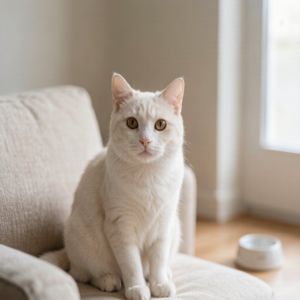
A parrot that stops eating may be reacting to a new environment, disliking bland or single-note food, feeling stressed or anxious, or being ill. Most adjust to a new home within two to three days; illness brings lethargy, ruffled feathers, vomiting, or long appetite loss and needs a vet. Offer balanced species-specific feed with fruit, vegetables, and grains, give social interaction, and keep the cage clean, warm, and sunny.

Bicolor Parrotfish (White Parrotfish)
The bicolor parrotfish (Cetoscarus bicolor) is a silvery-white marine parrotfish from Indo-Pacific coral reefs, named for the parrot-like face and broad tan band between the eyes. A true saltwater species needing a reef-like tank at specific gravity ~1.022–1.023, it is a nibbler that eats algae, clams and crabs and even crushes live coral with its beak-like teeth.
African Grey Parrot
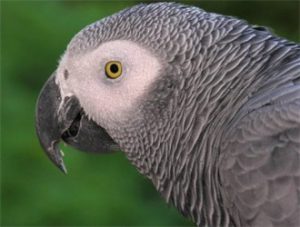
The African grey parrot (Psittacus erithacus) is a large parrot and a typical perching bird, famous as one of the few animals that can truly hold a conversation with humans, with very high intelligence and a lifespan around 50 years.

Blood Parrot Cichlid
The blood parrot (a man-made cichlid hybrid, also called the God of Wealth fish) is vivid red and chubby, easy to keep, and sensitive to temperature swings. Keep it at 26–27 °C with red-enhancing pellets.
Can a Sulfur-Crested Cockatoo Learn to Talk?
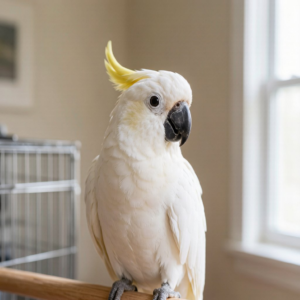
Sulfur-crested cockatoos can learn to talk, but their mimicry is weak compared with other parrots, and they manage only simple words. Training takes patience and works best when started young, around two months. Train in the early morning when the bird is active and hungry, use food rewards, keep the room quiet, and begin with short phrases like 'hello' or 'thank you,' repeating the same line daily until learned. A recorder can help. These loud, large birds also need a roomy, sturdy cage and a calm home to stay healthy.

How to Feed a Budgerigar at Every Life Stage
Budgerigars are social, intelligent birds, but their care changes with age. Chicks are the most fragile stage and need frequent hand-feeding with a quality parrot formula and parrot hand-feeding powder, offered in small amounts every few hours around the clock. Adults need a varied diet of grains, vegetables, fruit, and seeds plus a protein boost from boiled egg, formulated protein feed, mealworms, or beans. Through every stage, keep the cage at a comfortable 20-25 C, maintain clean food and water dishes, and allow safe supervised flight time. With the right food and routine, a budgie stays active and healthy.
How Long Do Monk Parakeets Live?
The monk parakeet, also called the Quaker parrot, is a popular medium-sized parrot that typically lives 15–20 years, and with good care some reach 25. Actual lifespan depends on diet, environment, genetics, and regular health checks. To help your bird live long and well, provide balanced food and fresh water, ample room to move, a calm and clean home away from harsh noise and light, and routine veterinary visits to catch illness early. Choosing a slightly older, sturdier young bird and meeting its daily needs are the best ways to support a healthy, lengthy life.