Search Results
85 results for “parrot bath”

Superb Parrot
The Superb Parrot (Polytelis swainsonii), also called the Barraband Parakeet, is an elegant long-tailed parrot from southeastern Australia. Protected by law and with high import losses, it is uncommon as a pet and does best in a spacious aviary rather than a small cage.

Yellow-crowned Parrot
The Yellow-crowned Parrot is a very intelligent Amazon parrot with four subspecies. It looks plain and is fairly cheap, but has excellent talking ability; captive-bred birds are tame and interact frequently with owners, though most on the market are wild-caught.

Scaly-headed Parrot
The Scaly-headed Parrot (also known as Maximilian's parrot) currently has four subspecies. It is the most intelligent and most talented talker among the Pionus genus of parrots. It is mainly distributed across Argentina, Bolivia, Brazil, and Paraguay.

What Taboos Should New Parrot Owners Avoid?
Parrots are popular but easy for beginners to hurt. Avoid drowning (close toilet/bathroom), ceiling fans, open windows, exposed wires and glue traps, and temperatures outside 20–30°C. Feed a varied diet, keep the cage clean and quiet, and wash produce to remove pesticide. Trim flight feathers if needed for safety.

Why Does a Parrot Pluck Its Feathers?
A parrot plucks its feathers to groom, out of boredom or stress, from calcium/vitamin deficiency, or due to infection (feather lice). Bathe it every 2–3 days, give chew toys and out-of-cage time, keep a quiet spacious cage, supplement calcium and greens, and deworm or see a vet for skin disease. Occasional plucking is normal; frequent plucking needs attention.
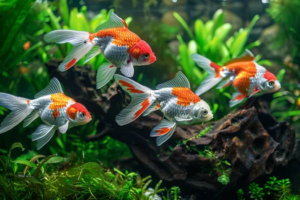
Common Diseases of Blood Parrot Fish and How to Treat Them
White spot, black spot, head-hole disease, and enteritis are all very common in blood parrot fish. To help owners respond better, here are treatments for each of these diseases.

Blood Parrot Cichlid Care: Ideal Water Temperature and Husbandry Guide
Blood parrot cichlids are colorful tropical aquarium fish. Keep the water stable at 25–28°C (77–82°F), maintain a slightly acidic pH of 5.5–7.0 with frequent partial water changes, feed a balanced diet of pellets plus occasional disinfected live foods, provide moderate lighting, ensure strong aeration, and watch for common illnesses like saprolegniasis and ich.
My parrot suddenly turned weird and aggressive, keeps pecking its belly feathers until it drew blood
Feather pecking with bleeding suggests feather-picking syndrome from stress, infection, or nutrient deficiency. Find the cause, treat, enrich environment, use an Elizabethan collar, and disinfect the wound.
Are parrots afraid of heat?
Parrots tolerate heat but best at 15-26 degree C; above 35 degree C they can overheat or die. Shade them, provide water for bathing, and keep the cage ventilated.

Symptoms and Treatment of One-Eye Cold in Parrots
One-eye cold is a common contagious eye condition in parrots, marked by swollen conjunctiva, watery discharge, lethargy, reduced appetite, and weakness, with respiratory signs in severe cases. If you notice these symptoms, take them seriously and treat promptly. Care begins with isolating the sick bird and disinfecting the cage, then gently cleaning the eye and applying bird-specific drops such as bird-specific eye drops or human erythromycin ointment—treating both eyes even if only one is infected. Serious cases need antibiotics under a vet's guidance. Daily hygiene, clean food and water, and regular check-ups are the best prevention.