Search Results
85 results for “parrot bath”

Why Is Your Budgerigar (Budgie) Puffing Up Its Feathers?
Budgerigars puff up their feathers for several reasons — settling in to rest, preening, showing happiness, or signaling stress and illness. Here is what each behavior means and when to see a vet.
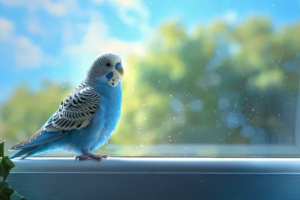
Keeping and Taming Lovebirds (Agapornis)
Lovebirds (Agapornis) are small, pretty, affordable African parrots that cannot mimic human speech clearly but copy other birds and animals well. Keep them in pairs or flocks in a sturdy cage, bathe them weekly in summer and dry in sun, and feed varied seed, millet, oyster shell, and fruit. For chicks, use wood-shaving bedding, keep warmth above 25°C, and build a call signal during feeding so they bond and recognize you.
How to keep a golden squirrel?
Provide a tall wide cage with a nesting box up high. They are omnivorous, favoring grains and nuts; feed sunflower seeds, apple, carrot, or parrot mix. Clean the cage each morning, give a weekly sand bath, and keep them at 20-30 C to avoid fatal heatstroke.
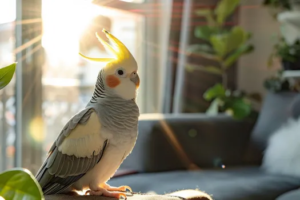
How to Feed a Budgerigar at Every Life Stage
Budgerigars are social, intelligent birds, but their care changes with age. Chicks are the most fragile stage and need frequent hand-feeding with a quality parrot formula and parrot hand-feeding powder, offered in small amounts every few hours around the clock. Adults need a varied diet of grains, vegetables, fruit, and seeds plus a protein boost from boiled egg, formulated protein feed, mealworms, or beans. Through every stage, keep the cage at a comfortable 20-25 C, maintain clean food and water dishes, and allow safe supervised flight time. With the right food and routine, a budgie stays active and healthy.

How Long Do Monk Parakeets Live?
The monk parakeet, also called the Quaker parrot, is a popular medium-sized parrot that typically lives 15–20 years, and with good care some reach 25. Actual lifespan depends on diet, environment, genetics, and regular health checks. To help your bird live long and well, provide balanced food and fresh water, ample room to move, a calm and clean home away from harsh noise and light, and routine veterinary visits to catch illness early. Choosing a slightly older, sturdier young bird and meeting its daily needs are the best ways to support a healthy, lengthy life.
- « Previous
- 1
- …
- 7
- 8
- 9