Search Results
171 results for “parasite control”

Teddy Dog With Diarrhea, No Appetite, and Lethargy
A Teddy's sensitive stomach is easily upset by overfeeding, cold, or parasites, and the result is diarrhea with lost appetite and low energy. Controlling portions, keeping the dog warm, regular deworming, and gut-supporting supplements are the backbone of recovery.
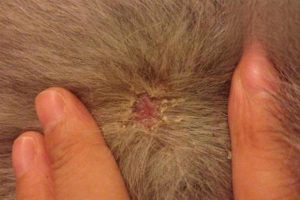
What to Use for a Puppy With a Mite Infection
Mites are among the most common causes of dog skin problems, and they spread easily through dirty surroundings or play with other dogs. Treatment combines environmental disinfection, the right topical or ear medication, and immune support — with a vet visit for anything severe.

What to Do When a 2-Month-Old Kitten Has Diarrhea and Won’t Eat
A two-month-old kitten is mid-weaning and easily gets diarrhea from diet slips or the stress of a new home. Hold food briefly while keeping water available, use a vet-approved anti-diarrheal, stay on schedule with deworming, and add a probiotic to settle the gut.

How to Reduce Shedding in a Pug
Pugs shed, but how much depends on daily care. Over-bathing, human shampoo, too little sunlight, and poor diet all make shedding worse, while regular brushing, good nutrition, and quick attention to skin trouble keep the coat under control.
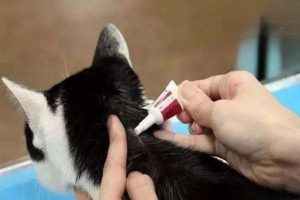
How to Tell If Your Cat Needs Deworming
Most internal parasites are invisible to the naked eye until an infestation is advanced, so routine deworming matters more than waiting for symptoms. Kittens need monthly protection and healthy adults every three months; a vet can confirm parasites from a stool sample under the microscope.

How to Tell If Your Cat Has Mites
The hallmark of a mite infestation is intense itching with irregular red patches and hair loss. Unlike ringworm's neat circular rings, mite damage looks blotchy and worsens the more your cat scratches, sometimes progressing to blisters and discharge.

Cat Has Smelly Yellow Diarrhea but Still Acts Normal
Smelly yellow diarrhea with normal energy usually points to diet—spoiled food, too-hard kibble, or toxins. Stress, overfeeding and chills also trigger it. Fast half a day, use a probiotic and keep the cat warm; persistent or toxic cases need a vet.
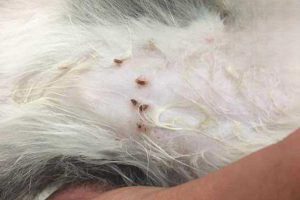
What to Do About Black Bugs on Your Cat
The small black bugs crawling through a cat's coat are usually fleas. A heavy flea burden causes anemia, spreads internal parasites and triggers allergic skin disease, so treat the cat and its home together. Regular topical prevention keeps fleas and other external parasites away.

What to Do When Your Cat Has Watery Diarrhea
Watery diarrhea in cats can signal anything from routine enteritis to serious feline panleukopenia, and the right treatment depends on the underlying cause. Bloody stool, vomiting, fever or weakness means urgent veterinary care. Supportive care at home helps only once the cause is identified.
My Toy Poodle keeps scratching with its paws and rubbing against the wall — what’s going on?
Constant scratching can be a skin condition or just a dirty, unbathed coat. Check for scabs, red patches, hair loss, and dandruff; if present, a vet-recommended topical skin ointment treats it. If not, a medicated, parasite-control shampoo and a vet-recommended external parasite treatment usually resolve it.